

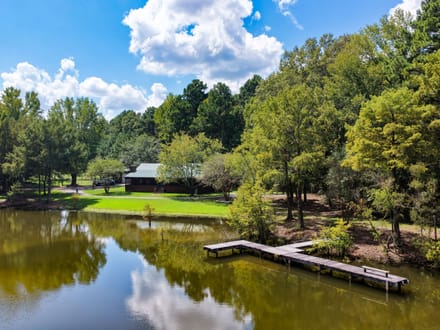
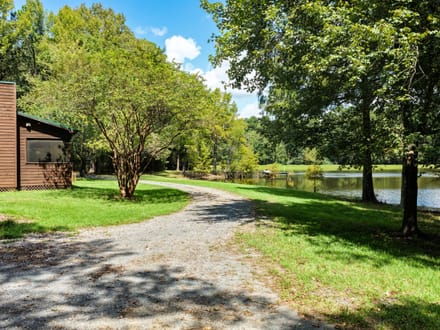
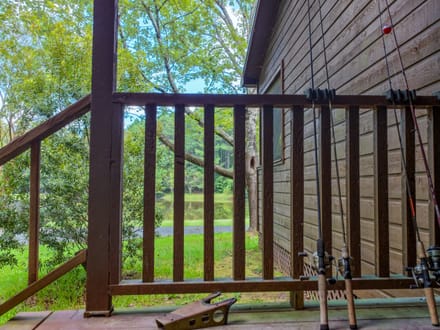
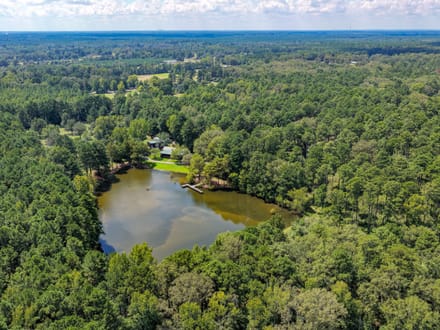
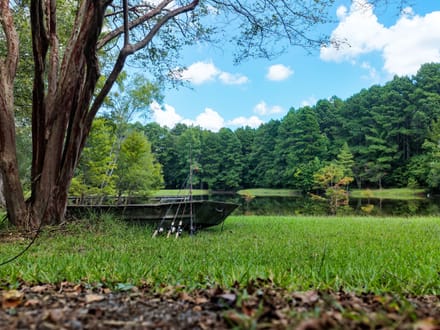

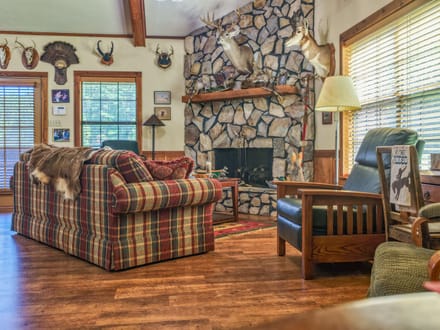
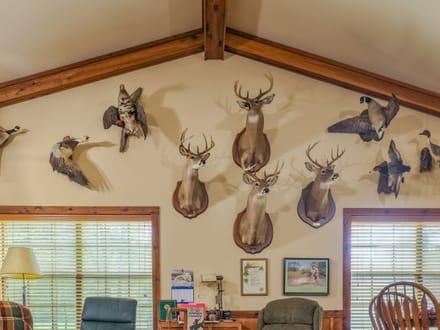


Investing in timberland for sale presents an enticing opportunity for individuals interested in property investments. Timberland properties offer a range of benefits that make them a favorable option. Firstly, owning timberland provides a tangible asset with a sustainable and renewable resource. Timber can be harvested and sold, generating income for the landowner. As trees grow and mature, their value increases, potentially yielding substantial returns over time. Additionally, timberland properties often boast natural beauty and abundant wildlife, creating an appealing environment for outdoor enthusiasts and nature lovers. The expansive forests and diverse ecosystems offer opportunities for recreational activities such as hunting, fishing, hiking, and wildlife observation.
This dual benefit of investment potential and recreational enjoyment makes timberland an attractive option for those seeking both financial returns and a connection to nature. Moreover, timberland investments provide potential tax advantages. In some regions, there are specific tax incentives and programs that encourage sustainable forestry practices and conservation efforts. These incentives may include reduced property taxes, timber tax deductions, and conservation easements. By taking advantage of these tax benefits, investors can maximize the returns on their timberland investment. Feel free to contact Mossy Oak Properties for more details.
Frequently Asked Questions
How do I value the timber on a property before buying?
Commission a timber cruise from a licensed consulting forester before making an offer on any heavily wooded property. A forester walks the parcel, measures tree height and diameter across sample plots, and calculates the standing volume and estimated stumpage value of the timber. Sawlogs are measured in board feet and pulpwood is measured by the ton. The cruise tells you what the wood is worth at current market prices, how many years remain to the next harvestable event, and what species and quality class the stand carries. A cruise typically costs $5 to $15 per acre depending on terrain and stand complexity. On a 200-acre tract, that is $1,000 to $3,000 spent before closing, and it is the most important due diligence money in any timber transaction.
How long does it take to grow pine timber to a harvestable size in the South?
Planted loblolly pine in the U.S. South typically reaches pulpwood size in 12 to 15 years. The first commercial thinning removes competing stems and releases the best trees to continue growing. A second thinning at years 18 to 22 produces additional income. The final clearcut occurs at years 25 to 35, generating the sawtimber that carries the highest stumpage value. South-wide average pine sawtimber stumpage prices averaged approximately $23 per ton in Q4 2025 based on TimberMart-South data, down from the 2022 peak as softer housing starts reduced mill demand. Prices vary significantly by state and by proximity to an active mill. Hardwood stands, particularly white oak grown for high-grade lumber, operate on 60 to 100-year rotation cycles and require a fundamentally different investment timeline.
What is a timber rights reservation and how does it affect a land purchase?
A timber rights reservation is a legal clause that separates ownership of the standing timber from ownership of the land beneath it. The seller, or a logging company that purchased the timber rights separately, retains the right to harvest the trees even after the land transfers to a new owner. This situation is common in the South and can significantly affect a property’s value. A title search run by a real estate attorney before closing will reveal any outstanding timber deeds or reserved timber rights. A property with a pending clearcut right held by another party is worth considerably less than the same parcel with unencumbered timber ownership. Confirm timber rights status with legal counsel before any offer is accepted on a timber property.
Are there tax advantages to owning timberland?
Timberland carries several favorable tax provisions that most other real estate categories do not. The IRS allows reforestation expenses to be deducted up to $10,000 per qualified timber property per year under Section 194, with amounts above that threshold amortized over 84 months. Timber sales from property held more than one year qualify for long-term capital gains treatment rather than ordinary income rates, whether sold in a lump sum or through a pay-as-cut contract under IRC Section 631(b). Cost depletion allowances let owners recover the timber’s original cost basis as it is harvested. Many states also reduce property taxes on timberland enrolled in state forestry management programs. A CPA with specific forestry tax experience is essential for structuring timber ownership and harvest transactions correctly.