






Regions
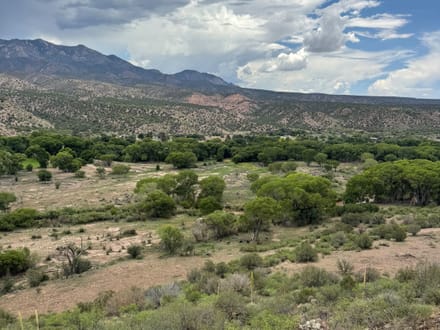
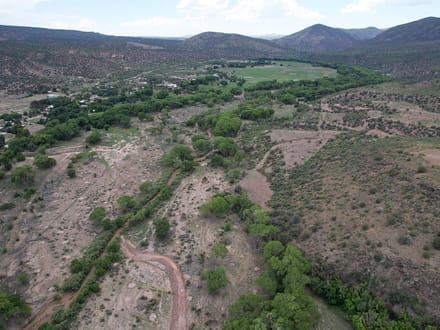
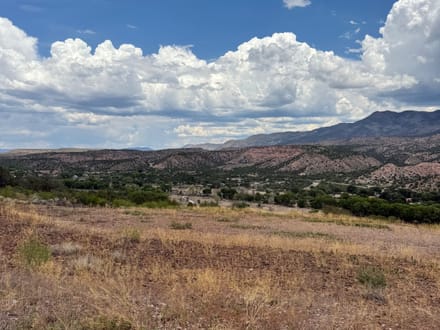
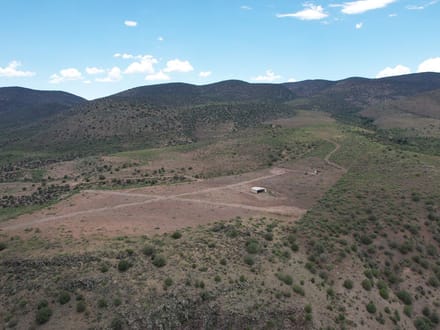
New Mexico has four popular land regions, including the Great Plains, the Colorado Plateau, the Rocky Mountains, and the Basin and Range region.
Agriculture
Agriculture continues to be an important industry for the Land of Enchantment, generating $3 billion in revenues. There are approximately 25,044 farms in the state, covering 40.6 million acres of New Mexico. The average size farm comprises 1,624 acres. Agriculture makes a significant contribution to all 33 counties.
New Mexico’s top commodities are dairy products (specifically milk), cattle and calves, pecans, and hay.
Most of the cropland is found in the Four Corners area of the state and near the Rio Grande.
Wildlife
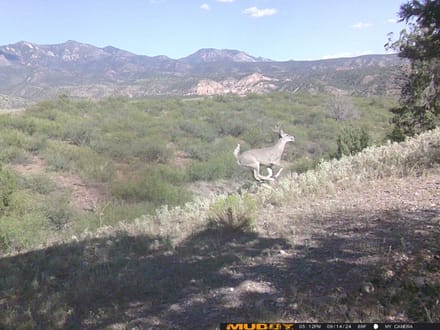
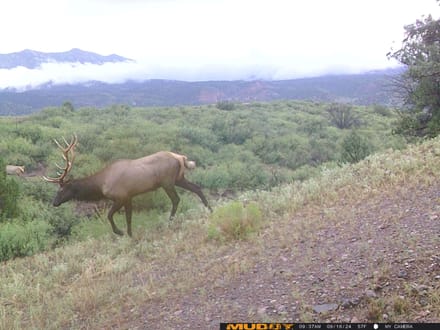
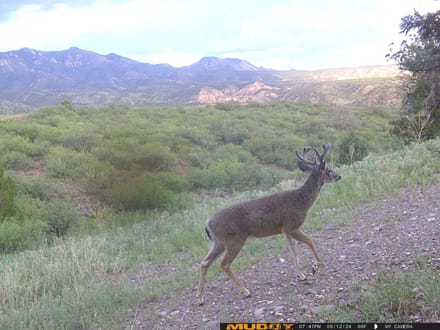
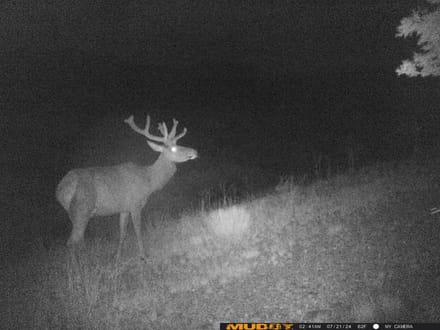
New Mexico’s primary wildlife includes sheep, bear, deer, elk, cougar, ibex, javelina, oryx, and pronghorn antelope. New Mexico is committed to conserving its open land, waters, and wildlife habitats.
From mountain lakes and streams to reservoirs, New Mexico has some of the best fishing opportunities in the southwest. Fish species include trout, largemouth bass, smallmouth bass, white bass, walleye, catfish, bluegills, perch, and pike.
Major Rivers and Lakes
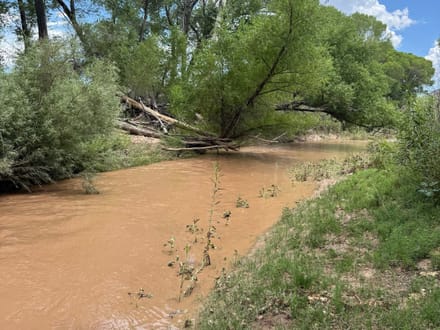
New Mexico’s three main rivers are the Rio Grande, Pecos River, and Canadian River. Their main tributaries include the Chama River, Devils River, Gallinas River, Rio Hondo, and Cimarron River.
Elephant Butte Reservoir, the largest lake in New Mexico, is located five miles north of Truth or Consequences, New Mexico on the Rio Grande. The surface area of this lake is approximately 36,499 acres (57.03 square miles). Other large lakes include Navajo Lake and Red Bluff Reservoir, which exceed 26,796 surface area acres.
State and National Parks
New Mexico has 35 state parks and 2 national parks.
National Parks:
- Carlsbad Caverns National Park
- Chaco Culture National Historical Park
| State Summary | |
| Nickname | Land of Enchantment |
| Neighboring States | Colorado, Oklahoma, Texas, Arizona, and Utah |
| Regions | Great Plains, Colorado Plateau, Rocky Mountains, and Basin and Range |
| State Flower | Yucca Flower |
| State Bird | Greater Roadrunner |
| Big Game | Deer, elk, bear, cougar, pronghorn antelope, barbary sheep, bighorn sheep, and javelina |
| Small Game | Eurasian collared-doves, grouse, pheasant, quail, and squirrel |
| Freshwater Fish | Bluegill, spotted bass, crappie, smallmouth bass, and largemouth bass |
| Saltwater Fish | N/A |
| Hunting Information | https://www.wildlife.state.nm.us/hunting/ |
| Total Acreage | 77.8 million acres |
| Total Public Land Acreage | 27 million acres |
| Average Annual Rainfall | 13 inches |
| Farmland by Acreage | 40.6 million acres |
| Woodlands by Acreage | 24.7 million acres |
| Coastline | N/A |
| Conservation Program | https://www.nrcs.usda.gov/wps/portal/nrcs/main/nm/programs/ |
| Primary Crops | Pecans, Dairy, and Cattle |
| Main Rivers | Rio Grande, Pecos River, and Canadian River |
| Largest Lake | Elephant Butte Reservoir |
| Other Lakes | Navajo Lake, Red Bluff Reservoir, and Caballo Lake |
| Other Tributaries | Chama River, Devils River, Gallinas River, Rio Hondo, and the Cimarron River |
Our Rural Real Estate Offices
Mossy Oak Properties New Mexico began with the goal of becoming a trusted resource for folks looking to buy or sell rural land for sale in New Mexico. Our land brokers and agents understand what people are looking for in rural property because we share the same lifestyle and love for the land as you do. We understand the importance of honor and integrity and that buying or selling land is an emotional and life-changing experience for consumers.
Only Mossy Oak Properties New Mexico can provide the powerful combination of brand strength, local expertise, quality service, and national exposure. Whether you want to buy or sell rural real estate, a Mossy Oak Properties land specialist is a must-have on your team.
Find a New Mexico land real estate agent.
Frequently Asked Questions
What types of land are available for purchase in New Mexico?
New Mexico has a mix of high desert brush mountain terrain and river valley farm ground at prices that are generally much more affordable than neighboring Colorado. Northern New Mexico has ranches with mountain elk habitats irrigated hay fields and trout streams in the Sangre de Cristo and Jemez mountains.
Central and southern New Mexico mostly feature desert grass perfect for cattle ranching on the Chihuahuan Desert plains.
The Rio Grande and Pecos River valleys have irrigated crop fields and orchards where the price is entirely driven by water rights. The eastern plains counties transition right out of the Texas Panhandle and feature heavily irrigated farming operations.
What are typical land prices across different New Mexico regions?
According to the 2025 USDA National Agricultural Statistics Service report New Mexico has the lowest average farm real estate value in the entire country sitting at just $725 per acre. Because of this central and southern desert grass ranches in Catron Grant and Hidalgo counties usually run a very cheap 300 to $800 per acre.
Northern mountain ranch land in Rio Arriba Taos and Mora counties with elk hunting water rights and improved fields runs 1500 to $4,000 per acre.
Irrigated farm land in the Rio Grande valley near Albuquerque and Las Cruces demands $5,000 to $12,000 per acre for established orchards and vegetable fields. Eastern New Mexico dryland and irrigated crop fields in Curry Roosevelt and Lea counties run $800 to $3,000 per acre. Areas near the Taos ski resort carry heavy lifestyle premiums that push prices way above these standard farming ranges.
How does the New Mexico water rights system affect land purchases?
According to the 2026 rules from the New Mexico Office of the State Engineer the state follows strict water laws where the first person to claim the water gets the right to use it. The State Engineer must approve all water right transfers and any changes in how you use the water.
In many New Mexico water basins the State Engineer has decided that all available water is fully claimed and will deny any new applications. Buyers planning to irrigate land or drill a new well should specifically confirm with the state office that the water use is actually allowed before buying the property.
Rio Grande basin water rights are incredibly complicated because of agreements with other states and there is basically zero new water available to claim. Water rights that actually transfer with a ranch or farm are almost always the most valuable part of the entire property.