


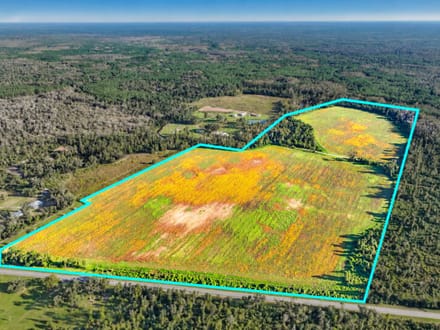
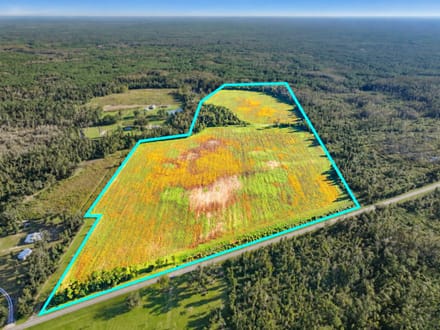
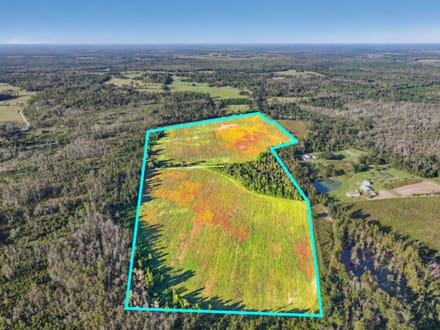
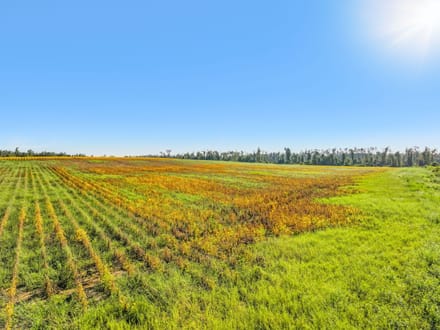








Regions
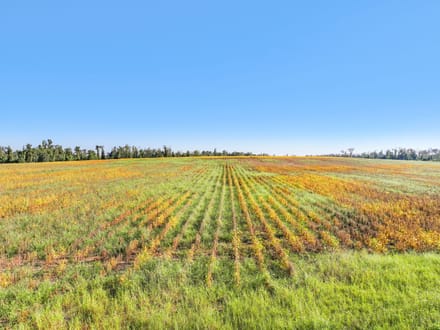
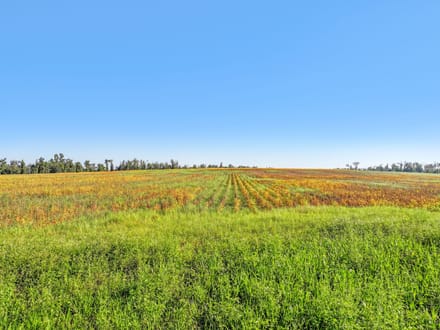
Florida’s land regions include the Upland (hilly areas in the north and northwest), the Everglades (swamp and wetlands to the south), the Florida Keys (over 1,500 small islands off the southern tip of Florida), and the Gulf Coast/Atlantic Coast (coastal plains).
Agriculture in Florida
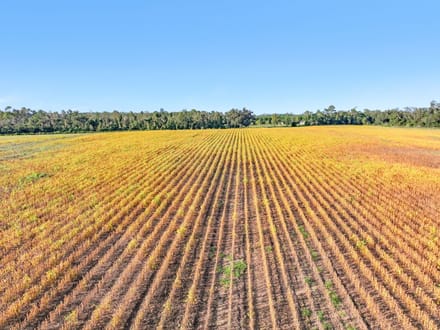
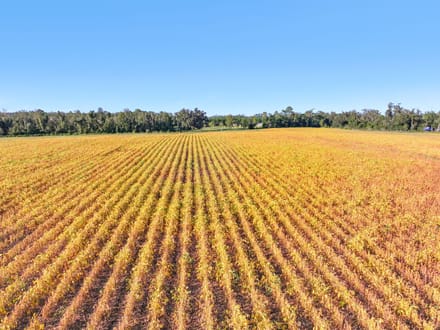
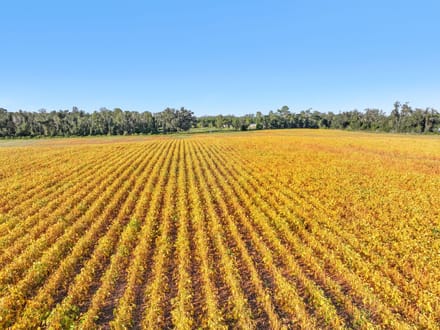
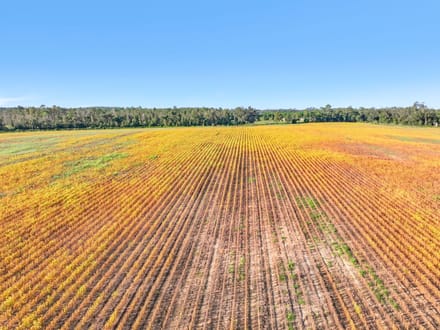
Agriculture generates $7.4 billion for the Sunshine state. There are approximately 47,500 farms in Florida, covering 9.7 million acres. The average size farm comprises 205 acres. Agriculture makes a significant contribution to all 67 counties. Most of the cropland is found in the southeastern area of the state.
Florida’s most valuable crops are oranges, fresh market tomatoes, and bell peppers. The state also grows substantial quantities of sugarcane, grapefruit, and watermelon. Floriculture and dairy products are additional top commodities in Florida. Florida leads the country in the production of oranges, fresh market tomatoes, sugarcane, and watermelon.
Wildlife
Florida’s wildlife varies as much as its landscape. Black bears, Florida panthers, bobcats, and white-tailed deer can be spotted on land. American alligators, American crocodile, turtles, and manatees can be found in Florida waters.
With more than 7,700 lakes, 10,550 miles of rivers, and 2,276 miles of shoreline, Florida provides a vast array of fishing opportunities for both freshwater and saltwater species. You will find Florida Gar, Bowfin, Tarpon, Brown Bullhead, Sailfish, Snook, Largemouth Bass, Grouper, and Mackerel to name just a few.
Florida has several local, state, and federal conservation programs in place to preserve current land and water resources and to rebuild damaged environmental systems.
Main Rivers and Lakes
Florida’s major rivers include the Suwannee River, St. John’s River, Apalachicola River, and Kissimmee River. Their main tributaries are the Alapaha River, Withlacoochee River, Wekiva River, Chattahoochee River, and Econlockhatchee River.
Lake Okeechobee, the largest lake in Florida, is located in southeastern Florida on the Kissimmee River. The surface area of this lake is approximately 467,200 acres (730 square miles). Other significant lakes include Lake George, Lake Apopka, and Lake Kissimmee.
State Parks
Florida has 175 state parks and 11 national parks.
National Parks
- Biscayne National Park
- Dry Tortugas National Park
- Everglades National Park
- Big Cypress National Preserve
- Timucuan Ecological and Historic Preserve
- Castillo de San Marcos National Monument
- Fort Matanzas National Monument
- De Soto National Memorial
- Fort Caroline National Memorial
- Canaveral National Seashore
- Gulf Islands National Seashore
| State Summary | |
| Nickname | Sunshine State |
| Neighboring States | Georgia and Alabama |
| Regions | Uplands, Everglades, Florida Keys, and Gulf Coast / Atlantic Coast |
| State Flower | Orange Blossom |
| State Bird | Northern Mockingbird |
| Big Game | White-tailed deer, alligators |
| Small Game | Turkey, wild hog, and coyote |
| Freshwater Fish | Florida Gar, Bowfin, Tarpon, Brown Bullhead, and Channel Catfish |
| Saltwater Fish | Sailfish, Blue Marlin, Tarpon, Snook, Southern Flounder, Snapper, and Florida Pompano |
| Hunting Information | https://myfwc.com/hunting/ |
| Total Acreage | 42 million acres |
| Total Public Land Acreage | 12 million acres |
| Average Annual Rainfall | 53.7 inches |
| Farmland by Acreage | 9.7 million acres |
| Woodlands by Acreage | 14.5 million acres |
| Coastline | 1,350 miles |
| Conservation Program | https://conservationalmanac.org/programs/florida/ |
| Primary Crops | Oranges and Bell Peppers |
| Main Rivers | Suwannee River, St. John’s River, and Apalachicola River |
| Largest Lake | Lake Okeechobee |
| Other Lakes | Lake George, Lake Apopka, and Lake Kissimmee |
| Other Tributaries | Alapaha River, Withlacoochee River, Wekiva River, Chattahoochee River, and Econlockhatchee River |
Our Rural Real Estate Offices
Mossy Oak Properties Florida began with the goal of becoming a trusted resource for folks looking to buy or sell rural land for sale in Florida. Our land brokers and agents understand what people are looking for in rural property because we share the same lifestyle and love for the land as you do. We understand the importance of honor and integrity and that buying or selling land is an emotional and life-changing experience for consumers.
Only Mossy Oak Properties Florida can provide the powerful combination of brand strength, local expertise, quality service, and national exposure. Whether you want to buy or sell rural real estate, a Mossy Oak Properties land specialist is a must-have on your team.
Find an Florida land real estate agent.
Frequently Asked Questions
What regions of Florida have rural land available for buyers?
North Florida and the Panhandle feel the most rural. According to recent land market data from the University of Florida, counties like Suwannee, Madison, Taylor, Jefferson and Leon have working timberland cattle operations and hunting land that cost less than property near the coast. Central Florida has a huge cattle ranching history in places like Okeechobee, Highlands Desoto and Hardee counties. Panhandle counties like Jackson and Holmes have red land hills similar to South Georgia, with affordable hunting and farm ground. South Florida is mostly taken up by massive sugar and vegetable farms, so there is not much of a market for small rural parcels there.
What are typical rural land prices in Florida by region and land type?
Based on recent real estate trends from the Florida Realtors Association, North Florida timberland and hunting properties go for $1500 to $4000 per acre, depending on the timber quality, road access and water features. In Central Florida, cattle pasture in the Okeechobee and Hendry county ranching belt sells for $3000 to $7000 per acre because it grows great grass and is close to processing plants. Farm and hunting land in the Panhandle red clay hills usually runs $1500 to $3500 per acre. Any land within an hour of the coast carries a huge premium for potential housing development which pushes prices way above what the land is worth for farming. South Florida farmland in the Everglades Agricultural Area is mostly priced for massive corporate farm operations.
What due diligence is most important when buying rural land in Florida?
Checking for wetlands is the single most important step before you make an offer on any rural land in Florida. According to the Florida Department of Environmental Protection, the state has massive wetland areas regulated by five water management districts and the Army Corps of Engineers. A piece of land that looks dry from the road might actually have protected wetlands that stop you from building or using the property. You also need to confirm the zoning check if the land qualifies for agricultural tax breaks, look up the FEMA flood zone maps and check for any recorded drainage or conservation rules that might restrict what you can do. Getting title insurance is an absolute must.