



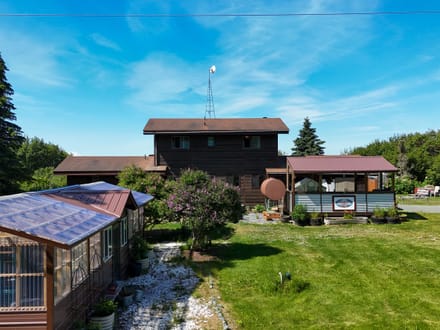


Regions
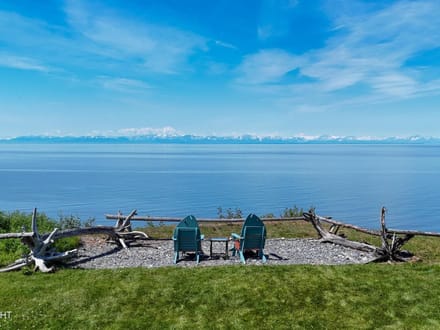
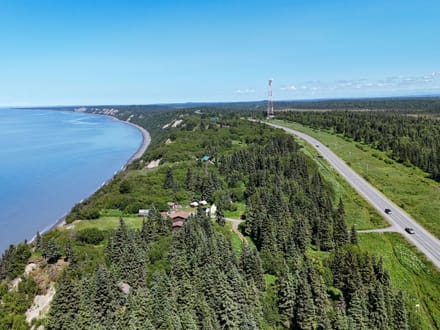
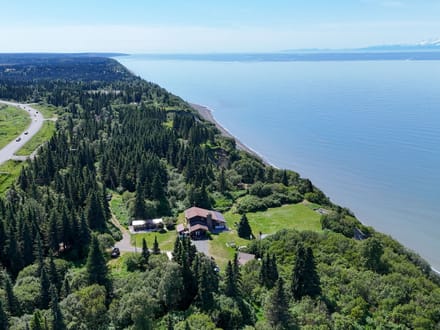
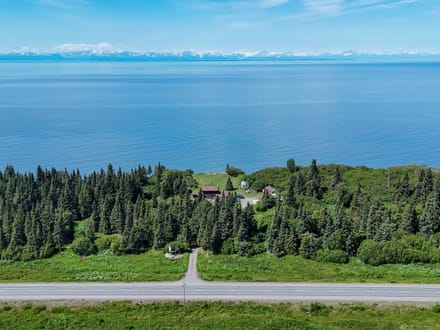
The state has five major land regions: the Inside Passage, Southcentral, Interior, Arctic, and Southwest.
Agriculture
Agriculture in the Last Frontier is a 38.6 billion-dollar industry. There are approximately 500 farms in the state, covering 830,000 acres of Alaska. The average size farm comprises 444 acres. Agriculture makes a significant contribution to all 29 boroughs.
Alaska has a fairly short growing season. Greenhouse and nursery products are the top agricultural producers in Alaska. Other popular crops are barley, hay, oats, and potatoes. Timber is also a very important commodity for the state and is spread over 25 million acres.
Most of the cropland is found in the Matanuska Valley, just northeast of Anchorage.
Wildlife
Due to its vast wilderness and unique landscape, Alaska wildlife thrives on both land and water. The most notable animals include bear, moose, bison, Dall sheep, wolf, caribou, and ptarmigan. Large marine mammals include orcas, humpback whales, and gray whales. Alaska is committed to conserving its land, arctic refuge, waters, and wildlife habitats from the threats of climate change and extractive industries, like oil, lumber, and mining.
The world’s largest sockeye salmon fishery is located in Bristol Bay. In addition to salmon, other popular fish across the state include rainbow trout, rockfish, Dolly Vardens, and halibut.
Major Rivers and Lakes
Alaska’s longest rivers are the Yukon River, Kuskokwim River, Porcupine River, and Koyukuk River. Their main tributaries include the Teslin River, Big Salmon River, Pelly River, Stewart River, and Klondike River.
Iliamna Lake, the largest lake in Alaska, is located at the north end of the Alaska Peninsula. The surface area of this lake is approximately 647,680 acres (1,012 square miles). Other large lakes include Lake Clark and Naknek Lake, which exceed 52,953.6 surface area acres.
Regions
The state has five major land regions: the Inside Passage, Southcentral, Interior, Arctic, and Southwest.
State and National Parks
Alaska has 156 state parks and 8 national parks.
National Parks:
- Bering Land Bridge National Preserve
- Denali National Park & Preserve
- Gates Of The Arctic National Park & Preserve
- Katmai National Park & Preserve
- Kenai Fjords National Park
- Kobuk Valley National Park
- Sitka National Historical Park
- Wrangell-St. Elias National Park & Preserve
| State Summary | |
| Nickname | The Last Frontier |
| Neighboring States | N/A |
| Regions | Inside Passage, Southcentral, Interior, Arctic, and Southwest |
| State Flower | Forget-Me-Not |
| State Bird | Willow Ptarmigan |
| Big Game | Bison, caribou, elk, muskox, wolves, black bears, Dall sheep, moose, brown and grizzly bears, Sitka black-tailed deer, and mountain goats |
| Small Game | Grouse, ptarmigan, and hare |
| Freshwater Fish | Whitefish, trout, cod, salmon, pike, herring |
| Saltwater Fish | King Salmon, Alaska halibut, rockfish, lingcod |
| Hunting Information | https://www.adfg.alaska.gov/index.cfm?adfg=hunting.main |
| Total Acreage | 425.8 million acres |
| Total Public Land Acreage | 322 million acres |
| Average Annual Rainfall | 31 inches |
| Farmland by Acreage | 830,000 acres |
| Woodlands by Acreage | 126 million acres |
| Coastline | 66,000 miles |
| Conservation Program | https://alaskaconservation.org/ |
| Primary Crops | Greenhouse and nursery crops, hay, and barley |
| Main Rivers | Yukon River, Kuskokwim River, Porcupine River, and Koyukuk River |
| Largest Lake | Iliamna Lake |
| Other Lakes | Lake Clark, Naknek Lake, and Becharof Lake |
| Other Tributaries | Teslin River, Big Salmon River, Pelly River, Stewart River, and Klondike River |
Our Rural Real Estate Offices
Mossy Oak Properties Alaska began with the goal of becoming a trusted resource for folks looking to buy or sell rural land for sale in Alaska. Our land brokers and agents understand what people are looking for in rural property because we share the same lifestyle and love for the land as you do. We understand the importance of honor and integrity and that buying or selling land is an emotional and life-changing experience for consumers.
Only Mossy Oak Properties Alaska can provide the powerful combination of brand strength, local expertise, quality service, and national exposure. Whether you want to buy or sell rural real estate, a Mossy Oak Properties land specialist is a must-have on your team.
Find an Alaska land real estate agent.
Frequently Asked Questions
What are the biggest challenges in buying land in Alaska?
Getting there is your first hurdle. According to the Alaska Department of Natural Resources, a massive chunk of the state has zero road access. You have to fly in on a small plane or take a boat. Off-grid land is much cheaper, but you will spend a fortune on fuel and logistics just to use it. Because the state and federal governments own most of the land, private land is mostly clustered around the road systems in south-central Alaska, Fairbanks, and parts of the Southeast. You also have to deal with permafrost, which makes building tough and expensive in the interior and northern regions.
How much does private land cost in Alaska and where is it available?
Based on recent data from the Alaska Multiple Listing Service (AK MLS), land near the road system in the Matanuska-Susitna (Mat-Su) Valley north of Anchorage usually runs between $5,000 and $20,000 per acre. If you want remote, fly-in land, you can find it for $500 to $3,000 per acre, but flying supplies out there will eat up those savings fast. Down on the Kenai Peninsula, road-accessible spots with good hunting or fishing go for $3,000 to $10,000 per acre. Fairbanks is generally cheaper than the Anchorage area, while coastal parcels down in Southeast Alaska swing wildly in price depending on whether a ferry can reach them.
What property taxes and regulations should Alaska land buyers expect?
According to the Alaska Department of Revenue, the state does not collect personal income tax or state-level sales tax, which makes it very friendly for landowners. Property taxes are handled locally by boroughs or cities. A lot of remote land sits in the “Unorganized Borough,” meaning there is no local government and zero property tax. Outside the city limits, zoning and building codes are pretty much nonexistent. Honestly, the brutal weather and remote locations will limit what you can build far more than any government rulebook.