




Frequently Asked Questions
What crops define the Mississippi Delta farming economy?
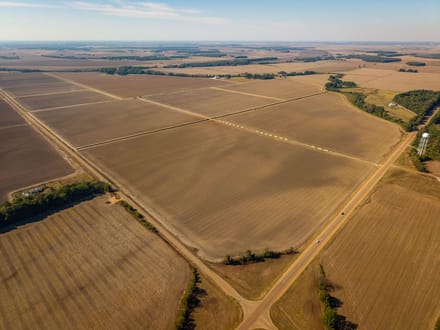
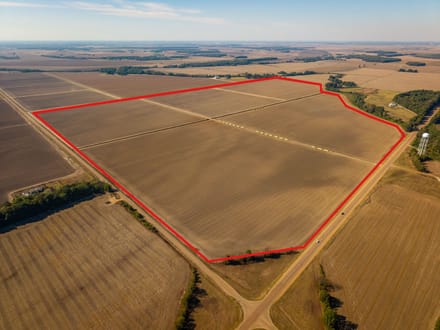
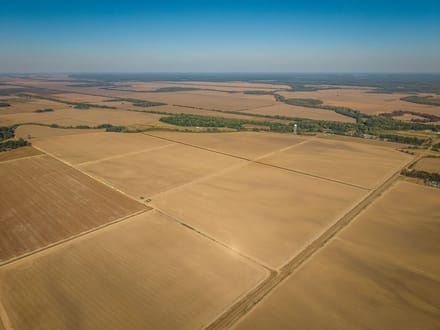
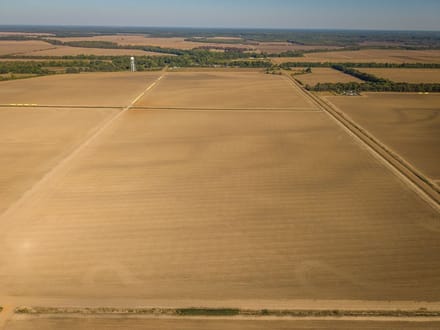
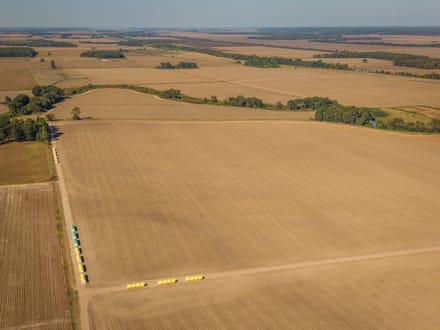
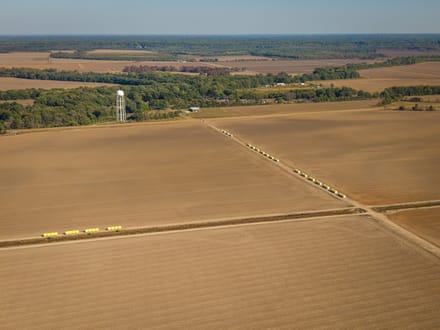
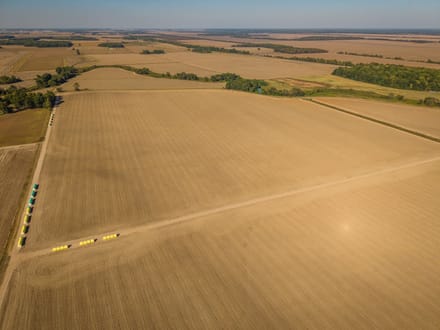
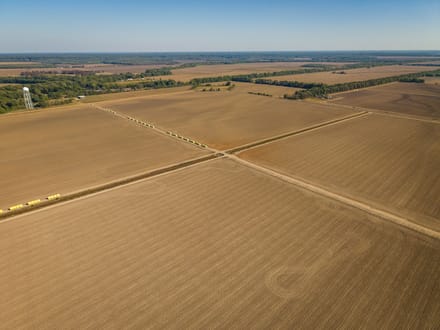
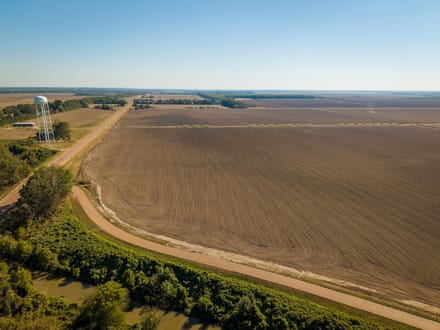
According to the United States Department of Agriculture National Agricultural Statistics Service, the Mississippi Delta is one of the absolute best farming areas in the country. Farmers grow massive amounts of cotton, soybeans, corn, and grain sorghum on the rich flat land. They also grow rice, but not nearly as much as farmers do in Arkansas. Back in the 1970s and 1980s, counties like Sunflower and Humphreys got famous for digging massive ponds to raise catfish, and that is still a huge business today. The thick hardwood woods in the Delta serve two purposes because farmers can cut the trees for lumber and flood the woods in the winter to charge hunters big money to shoot ducks.
What does Delta farmland cost and what are typical cash rents?
According to the 2024 and 2025 reports from the Mississippi State University Extension, the absolute best farm land in Delta counties like Washington, Bolivar and Sunflower easily sells for 4200 to 7225 dollars per acre if it already has good drainage. Average crop land in the Delta runs 3000 to 5000 dollars per acre. If you rent out the best irrigated Delta land to a farmer, you can expect to collect 135 to 148 dollars per acre every year. Farms that already have deep wells and underground drainage pipes bring in the most money. Even though it grows incredible crops, Mississippi Delta land is much cheaper to buy than similar farm land up in Iowa or Illinois.
What should buyers know about the Mississippi Delta drainage infrastructure?
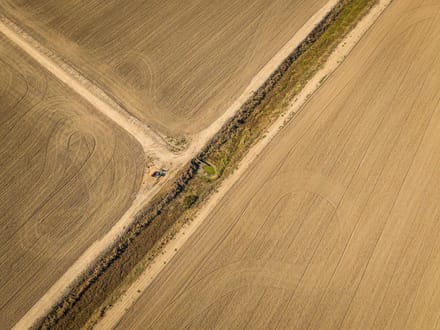
Controlling the water is the single most important part of farming in the Mississippi Delta. The Delta sits in a massive flat bowl that used to flood constantly before the government built massive levees. Today the Yazoo Mississippi Delta Levee Board manages the main flood risk, but the farmer is totally responsible for getting the rainwater off the actual fields. Farms must have a massive network of deep ditches, water pumps and sloped land to get the water off the crops fast. Farms with perfectly maintained ditches and strong water pumps always grow way more food than farms with bad drainage. Checking the condition of the water pumps and ditches is just as important as checking the land itself before you buy a farm here.