





Frequently Asked Questions
What is the timber market like in Louisiana?
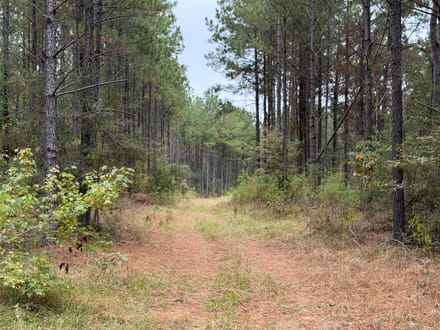
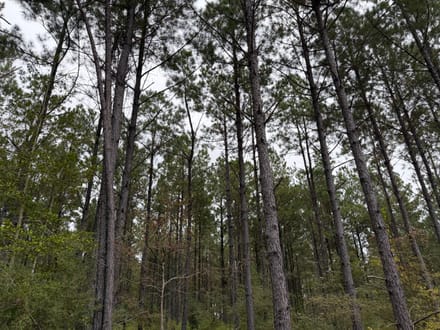
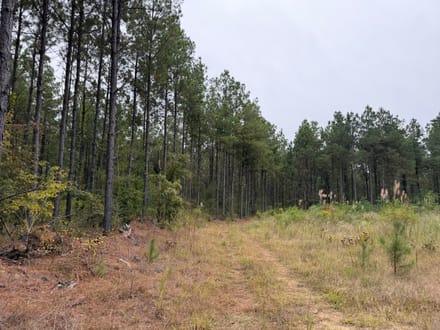
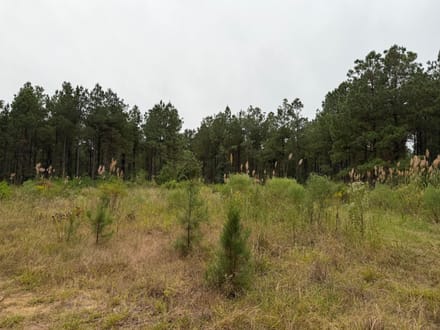
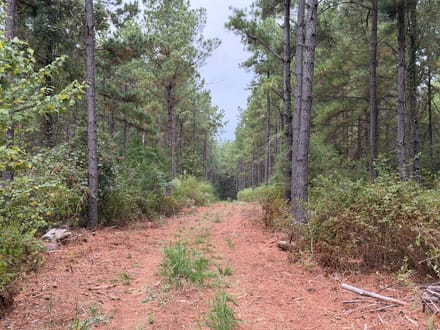
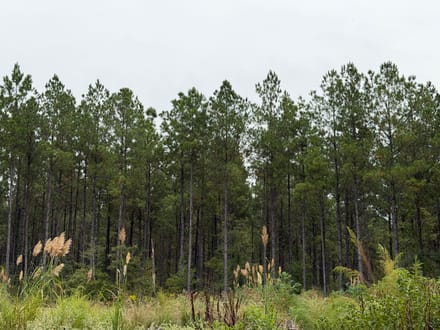
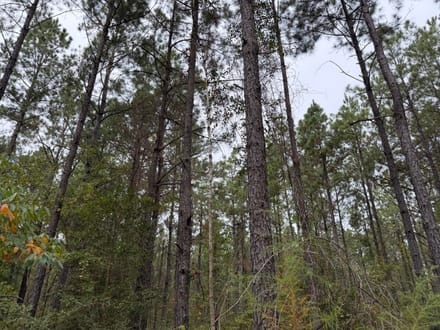
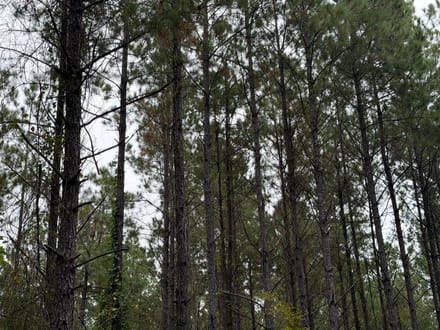
According to the Louisiana Department of Agriculture and Forestry the state has about 14 million acres of woods mostly in the northern and central parishes. Loblolly and longleaf pine are the main money makers. The market to sell pine trees is very strong because there are plenty of paper mills and lumber yards in Louisiana Texas and Mississippi. Recently massive plants near Alexandria and Lake Charles have started buying small pine trees to crush into wood pellets which they ship to Europe for fuel. Down in the swamps loggers also cut hardwood trees like cottonwood water oak and green ash to sell for lumber and paper.
What timber species are most valuable on Louisiana timberland?
Loblolly pine is the cash crop of the Louisiana timber industry and makes up almost all of the planted tree farms in the state. Longleaf pine brings in more money per tree for specialty lumber and is great for wildlife but it grows much slower than loblolly. According to forestry experts bottomland hardwood trees like green ash water hickory and overcup oak are highly valuable when they get big enough to be cut into flooring and furniture. Cypress is a specialty wood cut out of the deep swamps and old-growth cypress is incredibly valuable for high-end house siding. Because the state has both dry hills and wet swamps, many landowners make money growing pine trees on the hills and hardwoods in the bottoms.
How does timberland investment work in Louisiana?
Based on historical forestry data from groups like the Louisiana Forestry Association, investing in pine timberland here usually brings in a solid 5 to 7 percent return every year when you add up the wood sales the rising land value and the tax breaks. Massive corporate timber companies like Weyerhaeuser own a ton of land here, which keeps the land prices stable. Regular buyers make money selling wood to the exact same mills that the big corporations use. You can also lease the land to hunters for an extra 6 to 12 dollars per acre every year. Because the agricultural tax program keeps property taxes so low, holding the land is very cheap. The only real risk is buying land too far away from a mill because loggers charge a fortune to haul the wood long distances.