





Frequently Asked Questions
What crops define West Tennessee agriculture?
West Tennessee is absolutely massive cotton country. According to the 2025 USDA National Agricultural Statistics Service data Tennessee consistently ranks 9th in the nation for cotton production. The Mississippi River basin counties of Dyer Gibson Obion Weakley Carroll and Crockett grow almost all of the state cotton using deep wind blown farm dirt.
Farmers also rotate soybeans and corn in those exact same counties. Tennessee also grows dark fired and burley tobacco in the Middle Tennessee counties though farmers plant way less of it today than they used to. The massive cotton harvests and rich dirt make West Tennessee farm prices reflect true farming value rather than city lifestyle markups.
What does West Tennessee farmland cost and what are typical cash rents?
According to the 2025 USDA Land Values Summary the state average for cropland jumped heavily sitting at $5,830 per acre. Because of this prime West Tennessee row crop dirt in Gibson Dyer and Weakley counties currently trades for $5,500 to $9,000 per acre. Average quality West Tennessee crop dirt runs $4,000 to $6,500 per acre.
Farmers usually pay $100 to $175 per acre every year to rent great West Tennessee row crop dirt. Farms that already have underground water drainage pipes installed command the absolute highest rent because the pipes save the crops from drowning during wet planting seasons. Tennessee farm dirt costs more than Mississippi dirt but sits cheaper than Kentucky making it a perfectly priced farm investment.
What should buyers know about buying Tennessee farmland with timber components?
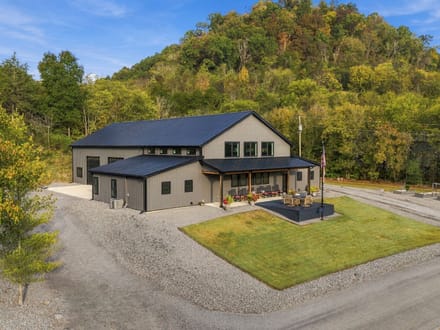
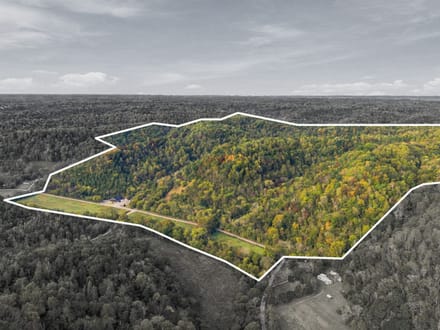
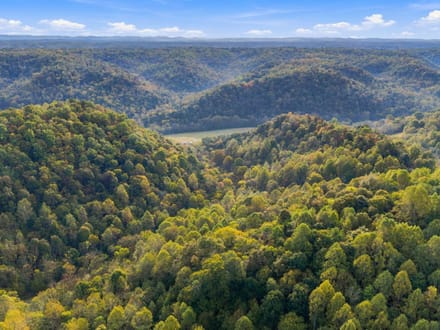
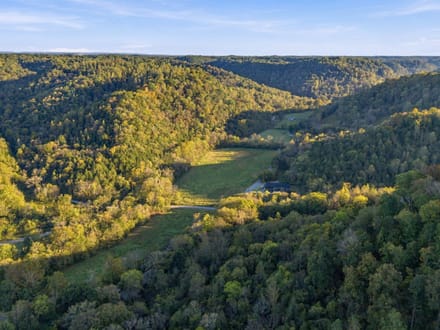
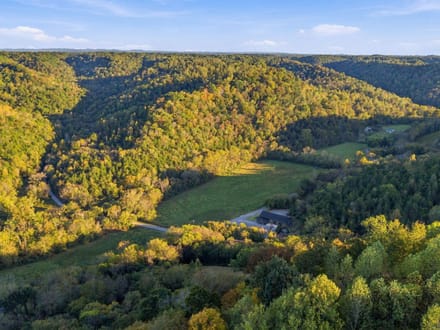
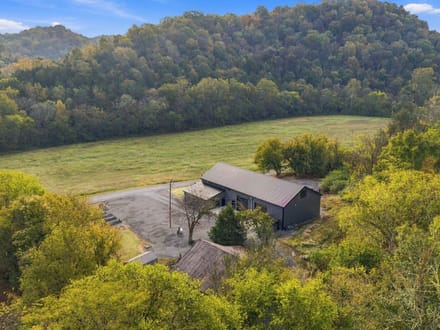
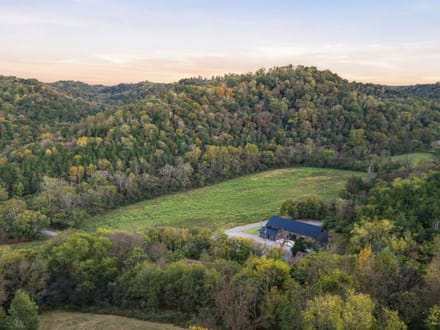
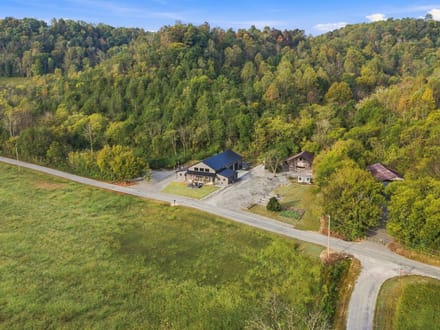
Tons of Tennessee farms especially in the Highland Rim and Cumberland Plateau areas feature a great mix of open crop fields and thick timber. The trees might cover 20 to 40 percent of the entire farm in the heavily wooded counties. You absolutely must hire an independent timber expert to measure the trees and tell you exactly what they are worth before you buy a farm here.
You also have to check the deed to make sure a logging company does not already own the rights to cut the trees down. Tons of buyers put their timber dirt into the super cheap Greenbelt tax program while simultaneously making great money renting out the open crop fields to local farmers.