


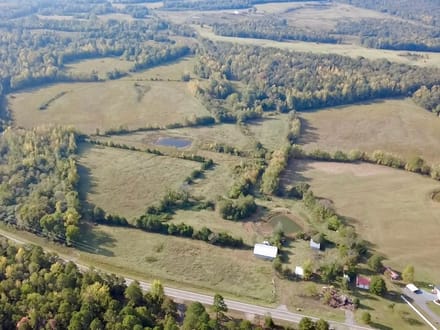
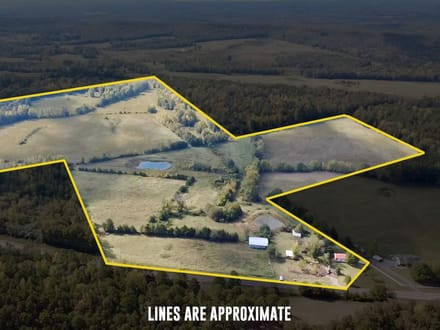
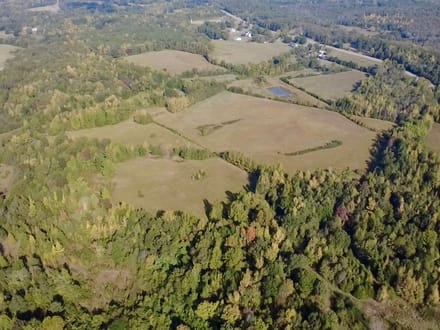
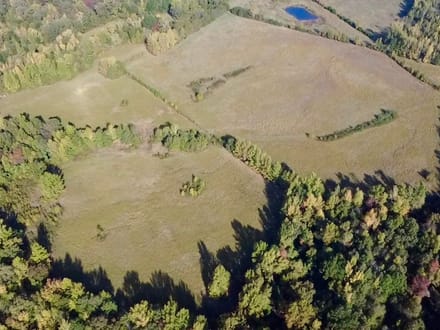
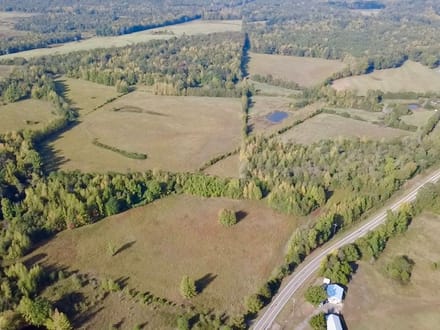
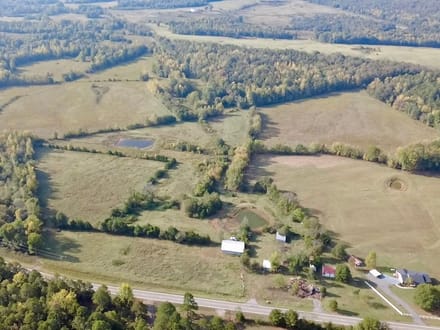
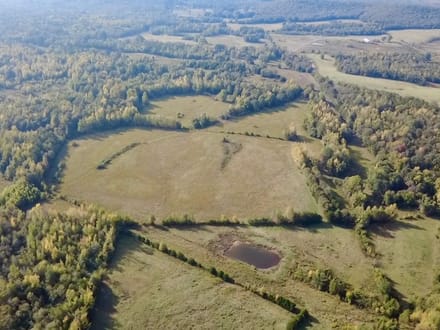
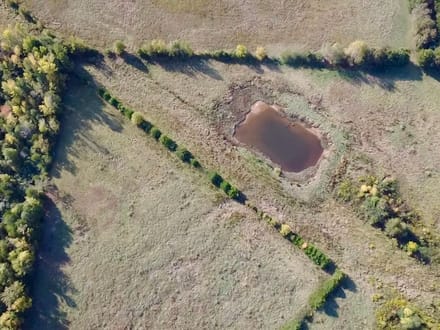
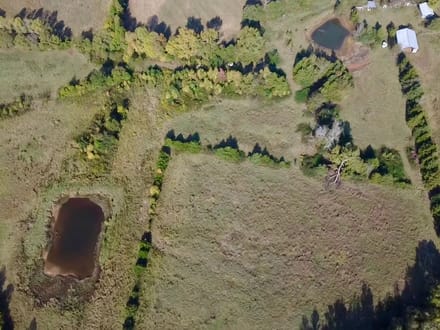
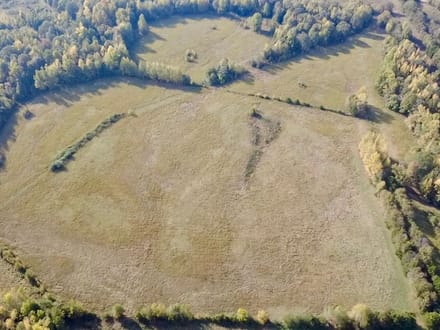


Ranches offer a compelling opportunity for individuals seeking property investments. Ranches come with a host of benefits that make them an attractive option. Firstly, ranches provide a unique blend of both residential and agricultural possibilities. They offer vast stretches of land that can be utilized for farming, ranching, or even recreational purposes. This versatility allows investors to diversify their income streams and explore various business opportunities. Additionally, ranches often boast scenic and picturesque locations, offering stunning natural beauty and a serene environment. The vast open spaces and wide-ranging landscapes provide an ideal setting for those seeking a peaceful and idyllic lifestyle away from the hustle and bustle of urban areas.
Moreover, ranches often come with ample wildlife, including flora and fauna, creating a rich ecological environment that can be appreciated and enjoyed by owners and visitors alike. Investing in a ranch also provides the opportunity for land appreciation. With land being a finite resource, well-located ranches have the potential to appreciate in value over time. Growing demand for rural retreats, recreational properties, and eco-tourism further enhances the investment value of ranches. This can result in long-term financial gains for investors, making ranches a favorable option for those seeking both lifestyle benefits and potential returns on investment. Contact Mossy Oak Properties for any queries and information.
Frequently Asked Questions
How many acres does a viable cattle ranch require?
It all depends on the rain. In the wet Southeast or Midwest, good pasture can feed one cow-calf pair on just two or three acres. So, a small 50-head herd might do fine on 150 acres. According to agricultural extension guidelines, native grass on the Western Great Plains requires 15 to 30 acres per pair, meaning you need a lot more land. Out in the high desert of the Southwest or Montana, it drops to 50 to 100 acres per pair. When banks look at a ranch to give you a loan, they don’t just look at the total acres; they look at the “animal unit months” (AUMs), which tells them exactly how many cows the land can actually sustain.
What are water rights and why do they matter on a ranch?
In Western states, water rights are a strict legal entitlement that lets you pull a specific amount of water from a river or the ground. They work on a “first-come, first-served” priority system. During a drought, the guys with the oldest rights get their water first, and the newer guys get shut off. When buying a Western ranch, the water rights are usually the most valuable thing on the deed. Without them, you can’t legally fill a stock tank, water a hay field, or even supply the main house. Always make sure the rights are valid, active, and included in your purchase agreement before closing.
What is a federal grazing permit and does it transfer when a ranch sells?
According to the Bureau of Land Management (BLM) and the U.S. Forest Service, a federal grazing permit allows a rancher to run a specific number of cattle on public government land. These permits are legally tied to a private “base property.” When you buy that private base property, the federal grazing permit usually transfers over to you, assuming the government agency approves it. These permits are massive assets in states like Nevada, Wyoming, Montana, and Colorado because they let you run way more cattle than your private land could hold on its own. Ensure the permit transfer is clearly written into your real estate contract.
What states have the most active ranch land market?
Texas easily has the most private ranch land in the country, offering everything from Hill Country live oaks to South Texas brush and deep desert. Montana and Wyoming give you that classic, massive Western ranch experience where you can run cattle, hunt elk, and fish for trout on the exact same property. Colorado has a great mix of working ranches and high-end recreational retreats. If you just want to run cattle without paying mountain-state premiums, Kansas, Nebraska, Oklahoma, and New Mexico offer excellent working ranches at much more reasonable prices.