



Regions
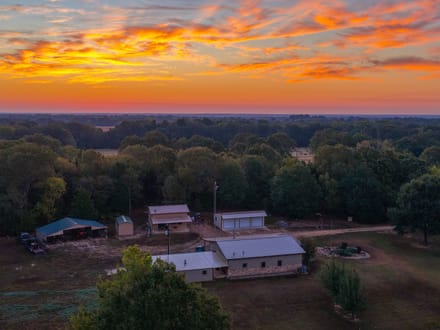
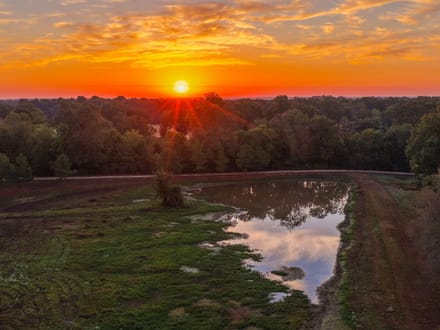
The state has several popular land regions, including the Texas Big Bend Country, Gulf Coast, Texas Hill Country, Panhandle Plains, Pineywoods, Prairies and Lakes, Hill Country, and South Texas Plains.
Agriculture in Texas
Agriculture plays a significant role in the Lone Star State’s economy. Agriculture is in the state is a $25 billion-dollar industry. There are approximately 248,000 farms and ranches in the state, covering 171 million acres of Texas. The average size farm or ranch comprises 411 acres. Agriculture makes a significant contribution to most of the 254 counties.
Texas has the largest number of cattle in the whole country, more than 16 million heads of cattle.
Texas’s most valuable crops are wheat and cotton. The state also grows substantial quantities of hay and corn.
Wildlife
Texas wildlife is abundant within the state on both land and water. The massive state boasts diverse landscapes and environments for a broad spectrum of wildlife.
Its primary wildlife includes whitetail deer, turkey, dove, ducks, and hog, which bodes well for avid hunters.
The combination of both freshwater and saltwater creates a diverse ecosystem for many fish species. The most common freshwater species include largemouth bass, stripper bass, white bass, crappie, catfish, perch, and bluegill. The primary saltwater species include redfish, black drum, speckled trout, redfish, and flounder. With over 150 lakes, 191,000 stream miles, and 1.2 million freshwater acres and the Gulf Coast access makes for diverse fishing opportunities across the state.
Main Rivers & Largest Lakes
Major rivers in Texas are the Red River, Rio Grande River, Brazos River, Pecos River, Nueces River, San Antonio River, and Guadalupe River.
State Parks
Texas has more than 80 state parks and two national parks.
National Parks
- Big Bend
- Guadalupe Mountains
Major Lakes
Toledo Bend Reservoir, the largest lake in Texas, is located in East Texas on the Sabine River in Sabine and Newton counties and straddling the Texas-Louisiana state line. The surface area of this lake is approximately 185,000 acres (289 square miles).
Other large lakes include Sam Rayburn Reservoir and Lake Livingston, which exceed 192,500 surface area acres combined.
| State Summary | |
| Nickname | Lone Star State |
| Neighboring States | New Mexico, Louisiana, Oklahoma, Arkansas |
| Regions | Big Bend Country, Gulf Coast, Hill Country, Panhandle Plains, Pineywoods, Prairies and Lakes, South Texas Plains |
| State Flower | Blue Bonnet |
| State Bird | Northern Mockingbird |
| Big Game | White-tailed deer, mule deer, desert bighorn sheep, pronghorn antelope, and alligators |
| Small Game | gray or cat squirrel, red or fox squirrel, collared peccary or javelina |
| Freshwater Fish | Largemouth bass, striped bass, catfish, bullhead, crappie, bluegill |
| Saltwater Fish | Red fish, red snapper, spotted seatrout, black drum |
| Hunting Information | https://tpwd.texas.gov/huntwild/hunt/ |
| Total acreage | 171 million acres |
| Total public land acreage | 800,000 acres |
| Average annual rainfall | 27.25 inches |
| Farmland by acreage | 127 million |
| Woodlands by acreage | 63 million |
| Coastline | 300 miles |
| Conservation program | https://www.tcatexas.org/ |
| Primary Crops | Wheat, cotton, hay, and corn |
| Largest Lake | Toledo Bend Reservoir |
| Other Lakes | Sam Rayburn reservoir, Lake Livingston, Lake Texoma |
| Major Rivers | The Rio Grande, Pecos River, Nueces River, San Antonio River, and Guadalupe River |
Our Rural Real Estate Offices
Mossy Oak Properties Texas began with the goal of providing a trusted resource for people looking to buy or sell rural land in Texas. Our land brokers and agents understand the needs of people looking for a rural property because we share the same lifestyle and love for the land. Our integrity and experience provide us with an understanding of the importance of an emotional and life-changing experience for people looking for rural property.
Only Mossy Oak Properties Texas can provide the powerful combination of brand strength, local expertise, quality service, and national exposure. Whether you want to buy or sell rural real estate, a Mossy Oak Properties land specialist is a must-have on your team.
Find a Texas land real estate agent and let us help you find land for sale in Texas.
Frequently Asked Questions
Why is Texas the largest rural land market in the United States?
Texas holds around 142 million acres of private land which is more than any other state. The state has a massive land ownership culture tied deeply to its history. Because there is zero state income tax strong property rights and a massive pool of wealthy buyers from Houston Dallas Austin and San Antonio the land market stays completely on fire. Texas land offers something for everyone from the super expensive luxury ranches in the Hill Country to the cheap and rugged brush country out in West Texas.
What are typical land prices across Texas regions?
According to the 2025 Texas Rural Land Markets report from the Texas Real Estate Research Center at Texas A and M University prices change wildly depending on where you look. Hill Country counties like Gillespie Kerr Kendall and Bandera near San Antonio and Austin run $6,000 to $20,000 per acre because everyone wants to live there. South Texas brush country near Laredo and Freer runs $4,000 to $8,000 per acre for great deer hunting ranches.
East Texas Piney Woods timber and hunting dirt runs $5,000 to $10,000 per acre. North Texas and the Panhandle dryland farm dirt runs $1,000 to $3,000 per acre. Remote desert ranch dirt in the Trans Pecos region runs $300 to $900 per acre.
How do Texas property taxes work for agricultural landowners?
Texas has zero state income tax but the property taxes on regular houses are some of the highest in the country. To fix this the state gives a massive tax break to rural landowners.
If you use your land for cattle farming or wildlife management the state taxes you based on what the land actually produces instead of its full selling price. This drops your yearly tax bill to almost nothing. However according to the 2025 Texas Comptroller guidelines if you ever stop farming or building houses on the land you get hit with a rollback tax penalty that forces you to pay back the tax savings from the last three years plus interest.
What should buyers know about mineral rights in Texas?
Texas has the absolute most active oil and gas market in the country. The underground mineral rights are usually completely separated from the surface dirt. If you buy a ranch and the contract does not specifically include the mineral rights you only own the dirt on top.
In famous oil fields like the Permian Basin or the Eagle Ford shale those underground minerals are worth way more money than the actual land. Even if no oil rigs are currently pumping owning the minerals gives you a chance to make massive royalty money in the future. You absolutely must figure out exactly who owns the minerals before you ever buy land here.