









Regions
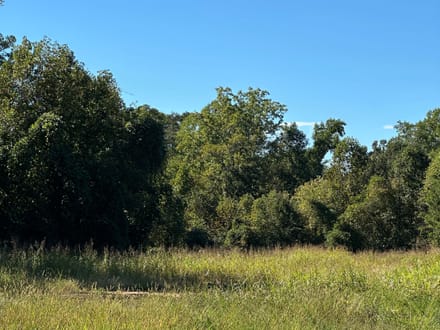
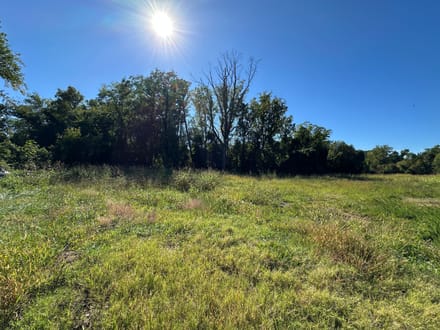
South Carolina’s six land regions are the Blue Ridge Mountains, Piedmont, Sandhills, Inner Coastal Plain, Outer Coastal Plain, and Coastal Zone.
Agriculture
A 46.2 billion-dollar industry, agribusiness continues to be a top industry for revenue generated in the Palmetto State. There are approximately 25,000 farms in the state covering 4.7 million acres of South Carolina. The average size farm comprises 197 acres. Most farm land is found in the central region of the state. Agriculture makes a significant contribution to all 46 counties.
South Carolina’s top commodities are broiler chickens, turkeys, greenhouse and nursery products, corn, and cotton. Other crops include tobacco, soybeans, and peanuts. Forestry is another very important industry.
Wildlife
South Carolina wildlife is abundant throughout the state on both land and water. Popular species include white-tailed deer, black bear, wild turkey, fox, beaver, rabbit, and bobcat.
With reservoirs, lakes, rivers, and shoreline, South Carolina provides a vast array of fishing opportunities for both freshwater and saltwater species. You can find crappie, bream, largemouth bass, smallmouth bass, striped bass, catfish, trout, red drum, redfish, spottail, and channel bass. Shrimp, clams, crabs, and oysters are also popular.
Conservation efforts include federal, state, and local programs designed to protect and improve wildlife habitats, recreation land, and environmentally sensitive lands.
Main Rivers and Lakes
South Carolina’s major rivers are the Savannah River, Pee Dee River, Catawba/Wateree River, and Edisto River. Their main tributaries include the Pacolet, Tyger, and Enoree Rivers.
Lake Marion, the largest lake in the state, is centrally located and spans across five counties. The surface area of this lake is approximately 110,016 acres (171.9 square miles). Other significant lakes include Clarks Hill Lake, Lake Moultrie, and Lake Hartwell.
State Parks
South Carolina has 47 state parks and 7 national parks.
National Parks
-
- Charles Pinckney National Historic Site
-
- Congaree National Park
-
- Cowpens National Battlefield
-
- Fort Sumter and Fort Moultrie National Historical Park
-
- Kings Mountain National Military Park
- Ninety-Six National Historic Site
-
- Reconstruction Era National Historical Park
| State Summary | |
| Nickname | Palmetto State |
| Neighboring States | Georgia and North Carolina |
| Regions | Blue Ridge Mountains, Piedmont, Sandhills, Inner Coastal Plain, Outer Coastal Plain, and Coastal Zone |
| State Flower | Yellow Jessamine |
| State Bird | Carolina Wren |
| Big Game | White-tailed deer, black bear, and wild turkey |
| Small Game | Quail, squirrel, rabbit, and waterfowl |
| Freshwater Fish | Crappie, bream, striped bass, largemouth bass, smallmouth bass, catfish, and trout |
| Saltwater Fish | Red drum, redfish, spottail, and channel bass |
| Hunting Information | https://www.dnr.sc.gov/hunting.html |
| Total Acreage | 20.5 million acres |
| Total Public Land Acreage | 11.8% |
| Average Annual Rainfall | 47.8 inches |
| Farmland by Acreage | 4.7 million |
| Woodlands by Acreage | 12.9 million acres |
| Coastline | 2,876 miles |
| Conservation Program | https://conservationalmanac.org/programs/south-carolina/#:~:text=U.S.%20National%20Oceanic%20and%20Atmospheric,Ranch%20Lands%20Protection%20Program%20(FRPP) |
| Primary Crops | Corn, cotton, and soybeans |
| Main Rivers | Savannah River, Pee Dee River, Catawba/Wateree River, and Edisto River |
| Largest Lake | Lake Marion |
| Other Lakes | Clarks Hill Lake, Lake Moultrie, and Lake Hartwell |
| Major Rivers | Savannah River, Pee Dee River, Catawba/Wateree River, and Edisto River |
| Other Tributaries | Pacolet River, Tyger River, and Enoree River |
Our Rural Real Estate Offices
Mossy Oak Properties South Carolina began with the goal of becoming a trusted resource for folks looking to buy or sell rural land for sale in South Carolina. Our land brokers and agents understand what people are looking for in rural property because we share the same lifestyle and love for the land as you do. We understand the importance of honor and integrity and that buying or selling land is an emotional and life-changing experience for consumers.
Only Mossy Oak Properties South Carolina can provide the powerful combination of brand strength, local expertise, quality service, and national exposure. Whether you want to buy or sell rural real estate, a Mossy Oak Properties land specialist is a must-have on your team.
Frequently Asked Questions
What regions of South Carolina offer the best rural land values?
The Lowcountry coastal counties like Beaufort Colleton and Hampton offer tidal marshes pine forests and old rice fields at prices that reflect both their farming roots and their location near the coast. The Pee Dee area in the northeast covers counties like Marlboro Dillon and Marion and offers cheap timber and farm dirt that sits well below coastal prices.
The Midlands counties like Calhoun Lee and Clarendon sit right between the busy coast and the growing upstate offering great hunting and farm land at fair prices. Upstate counties near Spartanburg and Greenville have seen prices skyrocket recently because of new factories and population growth. If you want the best rural value the Pee Dee and the inner Midlands are the best places to start looking.
What are typical land prices in South Carolina by region and type?
According to the 2025 USDA National Agricultural Statistics Service report land values across the Southeast have increased steadily. Because of this Lowcountry coastal land in Beaufort and Colleton counties with marsh access usually runs $4,000 to $9,000 per acre. Midlands hunting and timber dirt in Lee Calhoun and Orangeburg counties runs $2,000 to $4,500 per acre.
Pee Dee timber and farm dirt in Marlboro and Dillon counties runs $1,800 to $3,500 per acre. Upstate farm dirt near Spartanburg and Anderson carries heavy residential premiums running $5,000 to $10,000 per acre because so many people want to build houses there. South Carolina hunting land usually costs a little less than similar dirt in Georgia and North Carolina making it a great deal in the Southeast.
What property taxes should South Carolina rural landowners expect?
South Carolina offers great tax breaks for rural landowners through special agricultural and timber property assessments. If your land qualifies as a working farm it gets taxed based on just 4 percent of its farming value rather than the standard 6 percent rate for normal residential property.
Timberland also gets taxed based on what it can produce. These massive discounts and fair local tax rates make holding rural land in South Carolina incredibly cheap compared to the rest of the Southeast. The state also has zero inheritance tax which makes passing a family farm down to your kids incredibly simple and affordable.
What due diligence matters most when buying South Carolina land?
Figuring out exactly where the wetlands sit is the most important first step on any Lowcountry or coastal property. The Army Corps of Engineers and the newly formed South Carolina Department of Environmental Services control these wetlands and their rules can severely limit where you can actually build or farm.
You also need to check if the land falls under the coastal zone management program and always look at the flood maps for any property near rivers or the coast. Checking the property deed for heirs property issues is incredibly important in the Lowcountry where old family land agreements can completely derail a sale. You should also check for any timber rights that previous logging companies might still own especially in the Pee Dee and coastal counties.