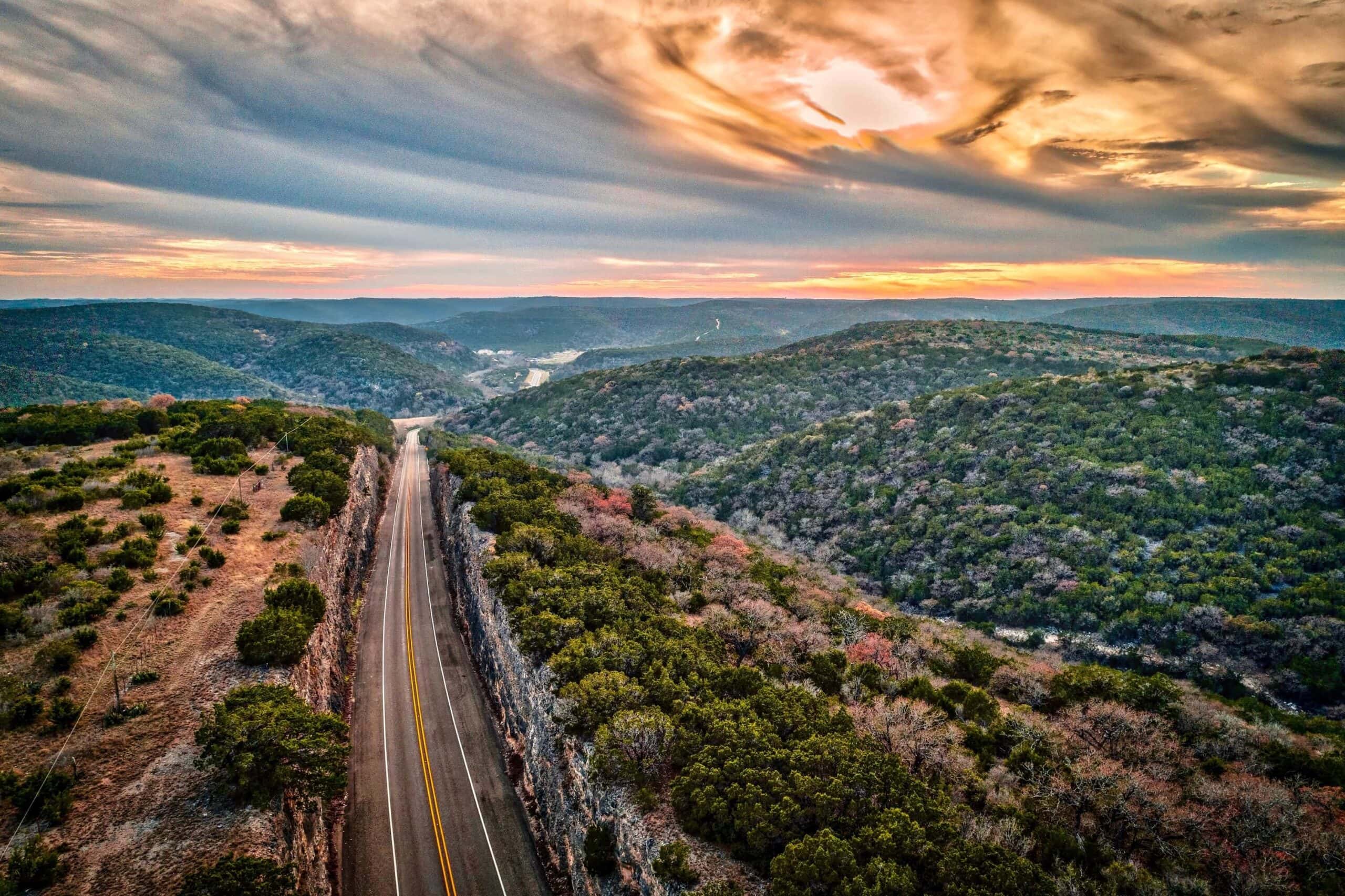
Texas is massive. You already know that. But what you might not know is just how different one part of the state feels from another. The land here changes personalities as you drive. Piney woods give way to rolling hills. Desert vistas open up to coastal prairies. Each region offers something different for people who want to own a piece of it.
More people are moving to Texas than almost anywhere else in the country. The state added hundreds of thousands of new residents in recent years. Many are searching for Texas land for sale outside the crowded cities. They want space. Room to breathe. A place where they can build something that matches how they want to live. Mossy Oak Properties specializes in connecting buyers with the right tract across Texas, from cozy farmland to retirement retreats.
For the Outdoor Enthusiast Who Wants Water and Woods
Polk County
Polk County is situated around Lake Livingston, featuring miles of pine forests and offering steady hunting opportunities for deer, hogs, and turkeys. Property prices stay lower than in the Hill Country while giving you deeded lake access and timber tracts. The area attracts people who fish, hunt, and seek a weekend cabin, located about ninety minutes from Houston.
Anderson and Cherokee Counties
Anderson County and Cherokee County offer rolling East Texas terrain featuring hardwoods, creek bottoms, and excellent whitetail and turkey hunting opportunities. Land here works for small cattle operations or weekend retreats. Tyler and Palestine sit close enough for shopping and hospitals, while the properties themselves stay quiet and rural.
Sabine and San Augustine Counties
Sabine County and San Augustine County border Toledo Bend Reservoir, one of the best bass fishing lakes in the country. Land remains affordable, featuring old pine timber stands and lake access. The area feels remote with small towns and limited services, but you get real privacy and your own slice of waterfront Texas.
For Wine Country Living and Hill Country Charm
Gillespie County
Gillespie County centers around Fredericksburg with over fifty wineries, German heritage, and rolling hills covered in live oaks. Land prices run high because demand never stops from retirees and investors. Most properties serve as lifestyle ranches, featuring small vineyards, wedding venues, or weekend escapes, rather than traditional working cattle operations.
Kerr County
Kerr County anchors around Kerrville with outdoor recreation from the Guadalupe River to nearby lakes. Retirees love the area for its mild climate, active community, and access to Hill Country beauty without Fredericksburg crowds. Properties range from small estates to larger ranches with hunting and river frontage.
Llano County
Llano County features granite hills, the Llano River, and strong whitetail hunting. Land holds its value because of limited supply and scenic beauty. People buy here for fishing access, hunting leases, and that classic Hill Country feel without paying Gillespie County prices.
Burnet County
Burnet County provides access to Lake Buchanan and Lake LBJ with vacation homes and ranch retreats. The county sits close enough to Austin for weekend use or commuting. Properties attract buyers who want Highland Lakes recreation mixed with ranch living and investment potential from Austin’s growth.
For Horse Property Near the Metroplex
Wise County
Wise County gives you a rural feel with horse properties and small ranches just a short drive from Fort Worth. The area is popular with equestrians who want acreage for horses, arenas, and barns while staying close to DFW. Land prices stay reasonable compared to closer-in suburbs, and the county still offers large tracts.
Cooke County
Cooke County sits along Lake Ray Roberts with strong equestrian and recreational land options. Valley View and Gainesville attract horse owners who want quality facilities within an hour of Dallas. The area balances rural ranch life with metro access for people who work in the city but live in the country.
Grayson County
Grayson County, situated north of Dallas, is experiencing rapid growth as urban expansion continues to push outward. The land here offers significant investment potential, with farmland being converted to residential development. Buyers interested in long-term appreciation or future subdivision opportunities closely watch this county.
For Affordable Farmland and Coastal Living
Brazoria County
Brazoria County blends prairie farmland with proximity to the Gulf Coast about an hour south of Houston. Land stays affordable compared to inner Houston counties. People buy here for farming, ranching, and coastal recreation access without paying beachfront prices.
Hidalgo and Cameron Counties
Hidalgo and Cameron County form the heart of the Rio Grande Valley with some of the most affordable land in Texas. The region grows citrus and vegetables in rich soil with a mild climate. First-time buyers and farming operations find low entry costs, growing communities, and strong cross-border trade ties.
Aransas and Calhoun Counties
Aransas and Calhoun County offer coastal recreational land with fishing, hunting, and waterfront views. Buyers accept some risk from coastal weather but get high demand for properties near the water. The lifestyle here revolves around saltwater fishing, birding, and Gulf Coast sunsets.
For Wide Open Space and Desert Living
Hudspeth County
Hudspeth County features some of the lowest per-acre prices in Texas, with remote desert land. The area appeals to people wanting off-grid living or long-term speculation. Limited infrastructure means this works best for buyers who value isolation and do not need nearby services.
Terrell and Presidio Counties
Terrell and Presidio County offer rugged desert landscapes near Big Bend National Park with large ranch tracts and hunting land. Properties here suit buyers seeking natural beauty, solitude, and a true West Texas experience. The remote location keeps prices low, but distances to towns are substantial.
El Paso County Outskirts
El Paso County Outskirts show growth pushing outward from the city with land that stays affordable but rising in demand. The area offers long-term development potential as El Paso expands. Buyers looking at the far west Texas market find opportunities here that blend investment potential with desert living.
What to Know Before You Buy Land in Texas
Buying land in Texas involves more than finding a pretty view. You need to understand what comes with the property and what does not. Mineral rights can be separated from surface rights. Some sellers keep the minerals. Others include them. Ask directly and get it in writing.
Water rights matter just as much. Texas water law is complicated. Some properties have well permits. Others rely on rainwater collection. Surface water rights from creeks or rivers follow different rules than groundwater. A lawyer who knows Texas water law can save you from problems later.
Road access is not always guaranteed. Some properties only connect to public roads through easements across other land. Make sure you have legal access before closing. Landlocked property is cheap for a reason. You cannot get to it without crossing someone else’s land.
Property taxes vary widely across counties. Agricultural exemptions can lower your tax bill significantly. You need to actively use the land for agriculture to qualify. Running a few cattle or cutting hay usually works. Talk to the county appraisal district about requirements before you buy.
Let Mossy Oak Properties Guide Your Search
Finding the right land takes local knowledge. You need someone who knows the county, understands property values, and can spot potential problems before you close. Mossy Oak Properties has agents across Texas who specialize in rural land, hunting properties, and working ranches.
Our agents understand things like ag exemptions, mineral rights, and water access because they deal with them every day. They know which areas offer the best hunting. They can tell you where land values are climbing. They will walk the property with you and point out features you might miss.
We use technology that makes searching easier. Drone footage shows you the layout before you visit. Mapping software reveals boundaries, terrain, and access points. Our website lists properties across Texas with detailed information about each tract.
Buying land is a big decision. The right agent makes the process smoother and helps you avoid mistakes. Browse our Texas listings or contact a local Mossy Oak Properties agent to start your search.
Frequently Asked Questions
What is the best area to buy land in Texas?
The best area depends on what you want to do with the land. Hill Country counties like Gillespie and Kerr offer beauty and strong property values, but cost more. East Texas counties like Polk and Anderson provide affordable hunting and timber land. The Rio Grande Valley has the lowest prices for farming. North Texas counties near DFW offer horse properties with metro access.
Is buying land in Texas a good investment?
Texas land has shown steady appreciation in most regions, especially near growing cities. Rural land prices increased by modest amounts statewide in 2024. Counties along major metro corridors like Austin, Dallas, and Houston saw stronger gains. Land near infrastructure improvements or in the path of development tends to perform better than remote areas.
How much does a 1-acre lot cost in Texas?
One-acre prices vary dramatically by location. Rural areas in West Texas start around $600 per acre. East Texas runs $2,500 to $4,000 per acre. Northeast Texas near Dallas averages over $8,000 per acre. Hill Country land can exceed $15,000 per acre depending on features and location.
Where is the cheapest place to buy land in Texas?
Far West Texas counties like Hudspeth, Terrell, and Presidio offer the lowest per-acre prices, often under $1,000. These areas are remote with limited infrastructure. The Rio Grande Valley also provides affordable options starting around $2,000 to $3,000 per acre with better access to services and farming potential.
Can I live off one acre of land in Texas?
One acre is tight for full self-sufficiency, but possible with planning. You can build a home, grow a large garden, keep chickens, and possibly house a few goats or sheep. Water access and soil quality matter more than size. County regulations on septic systems, wells, and structures vary, so check local rules before buying.