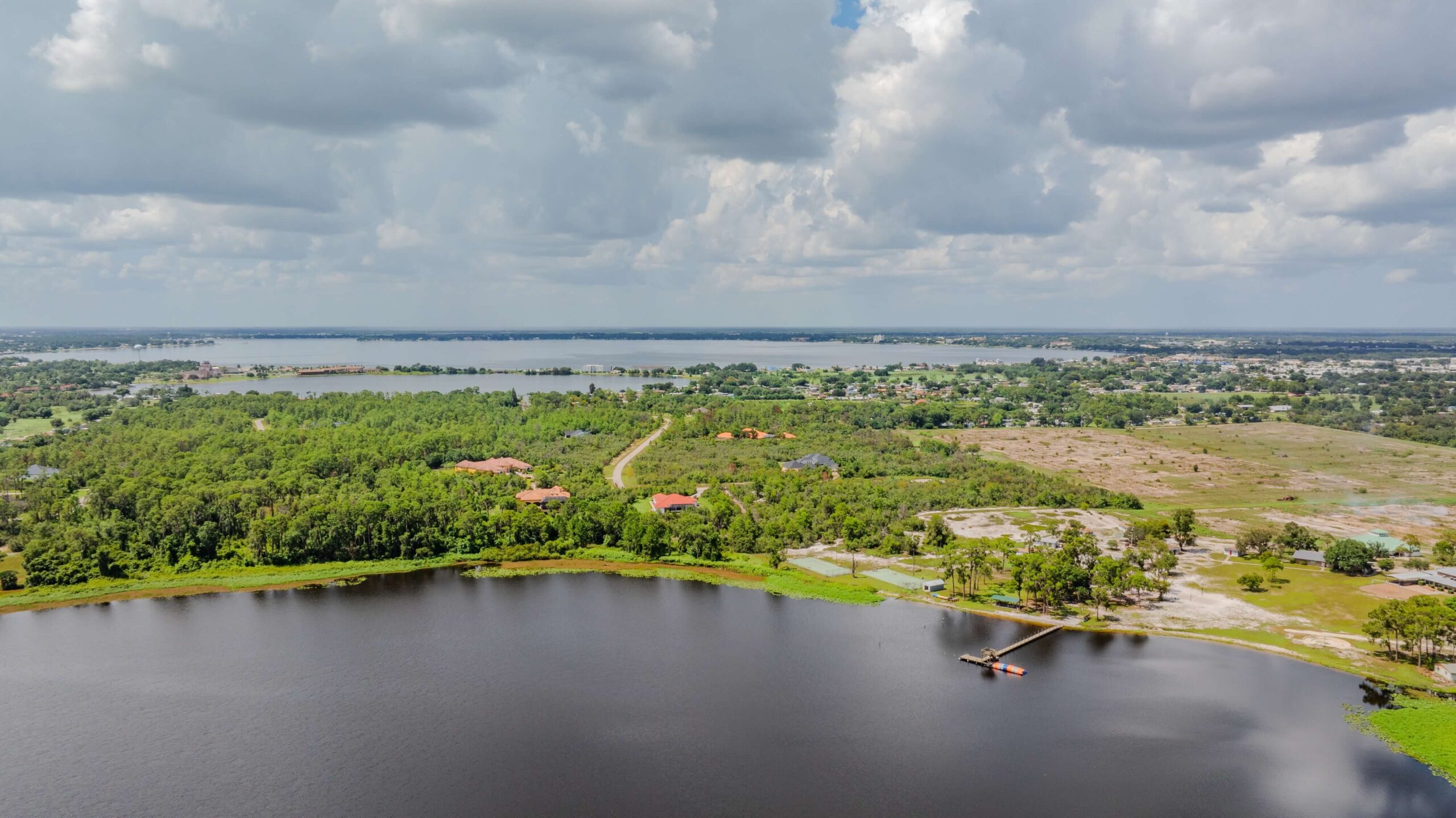
Florida attracts thousands of new residents every month, and many discover that buying land first makes more sense than jumping straight into an existing home. The state offers everything from coastal lots perfect for vacation homes to sprawling agricultural properties ideal for farming or ranching.
The land-buying process here differs significantly from purchasing a typical house. You will navigate different financing options, deal with various zoning regulations, and consider factors like flood zones that rarely come up in regular home purchases. With favorable tax laws, year-round growing seasons, and strong resale potential across many regions, Florida presents real opportunities for smart land buyers who understand the process.
Step 1: Know What Type of Land Fits Your Plans
Before you start browsing Land For Sale listings, get clear about what you actually want to accomplish. Different land types serve different purposes, and each comes with specific advantages that go beyond the obvious.
- Residential lots work well if you plan to build within the next few years. Look for properties with utility connections already in place or easy access to power, water, and sewer. Many residential lots come with deed restrictions that protect property values but limit what you can build.
- Recreational Land for Sale appeals to people wanting weekend getaways or outdoor activities. These properties often cost less per acre since they may lack utilities, but offer more privacy and fewer restrictions on use. Perfect for those who value solitude and natural settings.
- Agricultural land makes sense for serious farming or ranching operations. Florida farmland often includes irrigation systems or barns already installed. You can qualify for agricultural tax exemptions that significantly reduce annual property taxes while supporting sustainable land use.
- Hunting land provides access to wild game and recreational shooting. Properties with water sources and diverse habitats typically support better wildlife populations and can generate income through hunting leases. Look for properties with oak hammocks, pine stands, and water access that create natural wildlife corridors.
- Investment land works for long-term appreciation or future development. Properties near growing cities or planned infrastructure projects often appreciate faster than remote rural land, making them solid additions to any investment portfolio.
Step 2: Understand What Drives Land Costs in Florida
The average price per acre in Florida runs around $35,000 as of August 2025, but this can vary dramatically based on location and other factors. Coastal properties and land near major cities command premium prices, while rural counties offer much more affordable options for those willing to venture beyond the urban sprawl.
Infrastructure access affects pricing significantly. Land with existing road access, electricity, and water connections costs more upfront but saves you thousands later. Properties requiring utility extensions can add $15,000 to $50,000 to your total investment. Septic and well systems typically run $15,000 to $30,000, while extending power lines costs several thousand more depending on distance. Flood zone designation impacts both purchase price and ongoing costs, as high-risk areas require expensive flood insurance but often sell for less initially. Smart buyers factor these hidden costs into their budgets from day one.
Step 3: Navigate Zoning Rules and Development Restrictions
Check your property’s zoning through the county GIS system before you make any offers. Residential zones might allow a single-family home but prohibit running a business from the property. Agricultural zones often provide tax breaks but restrict how many houses you can build per acre. Some properties have mineral rights already sold off, meaning someone else owns oil, gas, or mining rights below your land.
Environmental restrictions can be deal-breakers near protected areas. Coastal properties face strict building codes for hurricane resistance and may require elevated foundations. Wetland areas often prohibit any construction within 50 feet of water features. Conservation easements permanently limit development rights, sometimes preventing you from clearing trees or building additional structures. Always verify setback requirements, as some counties require buildings to sit 75 feet or more from property lines, which can make small lots unbuildable. Understanding these rules upfront prevents costly surprises later.
Step 4: Complete Your Due Diligence Research
Smart buyers investigate everything about their potential purchase before signing agreements. This research protects you from expensive surprises and legal problems that could cost thousands to resolve later. Rural properties especially require thorough investigation since they often come with fewer protections than suburban developments.
- Get a professional boundary survey to confirm exact property lines and identify any encroachments or easements.
- Run a title search or hire a title company to verify clear ownership and check for liens or legal issues.
- Research previous land use through county records to identify any environmental concerns or soil problems.
- Visit the property multiple times, including during different weather conditions and seasons to understand drainage patterns and accessibility.
- Check flood zone status through FEMA maps and determine if flood insurance will be required.
- Verify utility availability and connection costs with local providers before making your final decision.
Step 5: Explore Your Financing Options
Land loans work differently than home mortgages and typically require larger down payments and shorter terms. Here are your main financing options in Florida for rural and recreational properties:
- Farm Credit of Central Florida offers lot loans with a minimum 25% down payment and competitive rates for qualified borrowers. They specialize in rural properties and agricultural land, with no timeframe requirements for when you must start building. Their experience with working land makes them ideal for farming and ranching purchases.
- Local banks and credit unions like MIDFLORIDA Credit Union provide lot loans with down payments as low as 20% for fixed-rate loans and 35% for adjustable-rate options. Many can convert these to construction loans when you’re ready to build, providing flexibility for future development.
- Owner financing allows sellers to act as the bank, often with more flexible terms and lower down payments. This works well for buyers with credit challenges but typically comes with higher interest rates and balloon payment requirements. Rural property owners often prefer this arrangement.
- Private land lenders specialize in short-term financing for raw land purchases, typically requiring 40-50% down payments but offering faster approval processes than traditional banks. These work well for time-sensitive purchases or unique properties.
Step 6: Work With an Experienced Land Professional
Florida land markets operate very differently from residential real estate, with distinct regulations, financing options, and market conditions that vary significantly by region. A knowledgeable land broker can guide you through zoning research, financing applications, and due diligence processes that most residential agents never encounter. Rural properties especially require specialized knowledge of agricultural regulations, hunting lease agreements, and timber management.
Land brokers maintain relationships with surveyors, title companies, and lenders who specialize in raw land transactions. They often know about off-market properties and upcoming listings before they hit public databases. More importantly, they understand local regulations around septic permits, well drilling restrictions, and environmental compliance that can make or break a land purchase in Florida. For hunting properties, they know which areas support the best wildlife populations and understand hunting lease values.
Step 7: Plan Your Future Development Strategy
Think through your long-term plans before you close on any property. Can you install septic systems and wells, or will you need to connect to municipal utilities? Some rural areas have restrictions on well permits due to aquifer protection, while others lack high-speed internet access that might be important for your plans. Consider how these factors align with your intended use of the land.
Consider what permits and inspections you will need for your intended use. Building permits, agricultural exemption applications, and environmental impact studies all take time and money. If you plan to subdivide the land later, research the minimum lot sizes and approval processes required in that county. Some areas have lengthy approval processes that can delay development plans by months or years. For hunting properties, understand game management requirements and any restrictions on food plots or habitat improvements.
Find Your Perfect Florida Property with Mossy Oak Properties
Mossy Oak Properties has helped buyers navigate Florida land purchases for over two decades, with deep knowledge of local markets across the state. Our land professionals understand the specific regulations, financing options, and development requirements that make Florida land ownership successful. We specialize in the types of properties that connect people with the outdoors and support sustainable land use.
We maintain access to both public listings and off-market Florida land for sale opportunities. Our team assists with every step, from initial property evaluation through closing, making sure you understand exactly what you are buying and what it will take to achieve your goals. With our conservation-minded approach and outdoor expertise, we help you find land that supports both your dreams and responsible stewardship.
Florida Land-Buying FAQs
How much does 1 acre of land cost in Florida?
The average runs around $35,000 per acre as of August 2025, but prices can vary from $3,500 in rural areas to over $250,000 near major cities or coastal locations. Location, utilities, and zoning drive most price differences.
Can a foreigner buy land in Florida?
Yes, there are no restrictions on foreign ownership of Florida land. However, financing options may be limited, and you will need to understand U.S. tax implications.
How much do you have to put down to buy land in Florida?
Most lenders require 20-50% down for land loans, significantly more than typical home mortgages. Cash purchases are common and often provide negotiating advantages.
Is it worth it to buy land in Florida?
Florida’s growing population, favorable tax environment, and diverse land uses create good opportunities. However, success depends on location, intended use, and local market conditions.
Do I need a lawyer to buy land in Florida?
While not legally required, land purchases involve complex title issues, zoning regulations, and environmental considerations that benefit from legal review.
What is the first thing you do when you buy land?
Get a professional survey to confirm boundaries and identify any easements or encroachments. This prevents boundary disputes and title problems later.
Can I buy land with no money down?
Owner financing occasionally offers no-down deals, and some government programs assist qualified buyers. However, most land purchases require substantial down payments.
Is it hard to get a land loan in Florida?
Land loans have stricter requirements than home mortgages, including higher down payments and shorter terms. However, many Florida lenders specialize in land financing and understand local markets.
References
- https://seanotefl.com/florida-acre-price-2025/ – Florida Department of Agriculture data on average land prices ($35,000 per acre average, $3,500-$250,000 range)
- https://farmcreditcfl.com/resources/how-do-land-loans-work-florida – Farm Credit of Central Florida official lending requirements (25% minimum down payment for lot loans)
- https://www.fema.gov/flood-maps – FEMA official flood zone maps and insurance requirements for high-risk areas
- https://www.midflorida.com/personal/home-loans/mortgages/lot-loan – MIDFLORIDA Credit Union land loan terms (20% down for fixed-rate, 35% for adjustable-rate)