Indiana Land Costs Per Acre
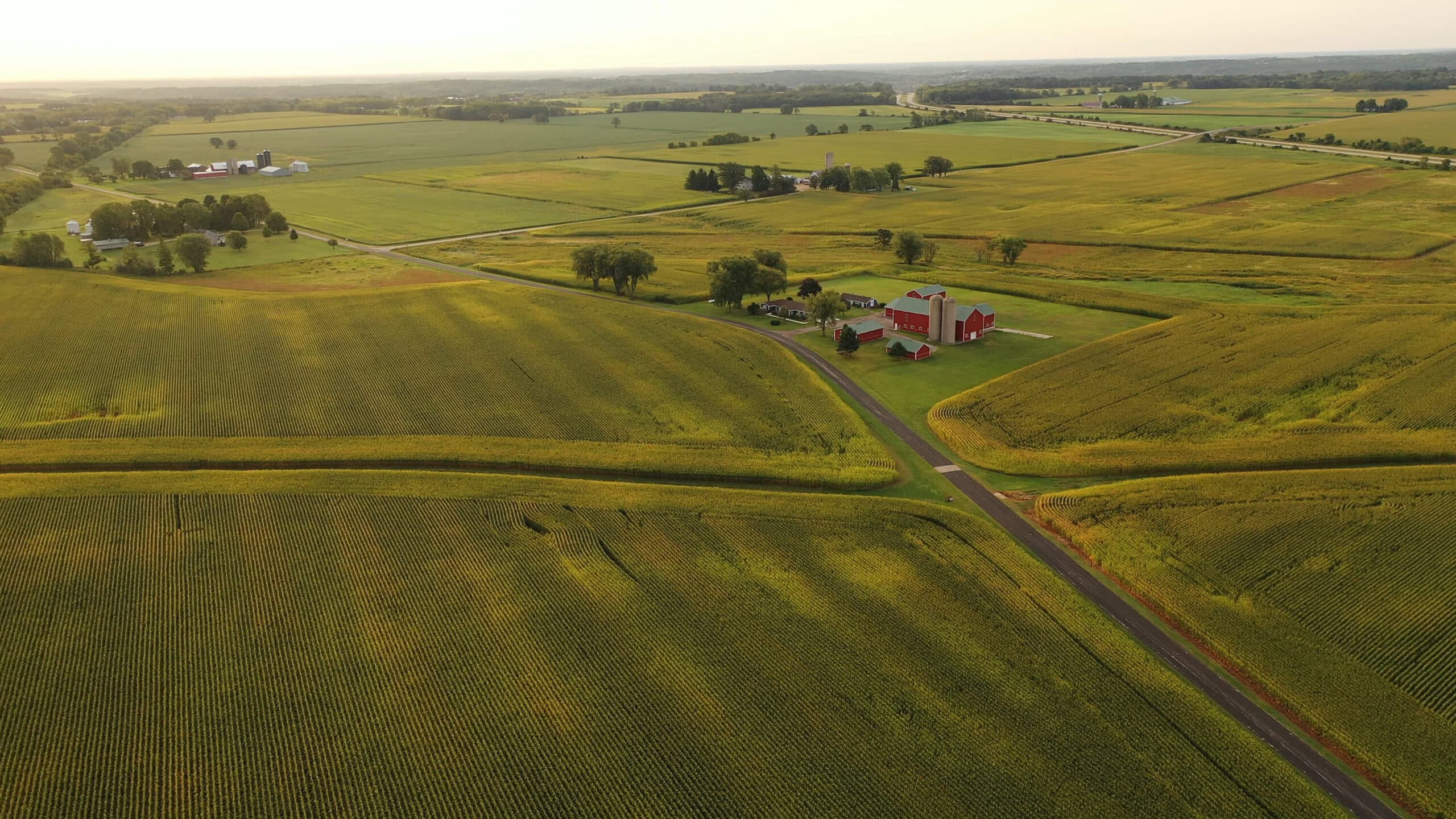
Indiana land continues to attract buyers from farmers expanding operations to investors seeking profitable opportunities. The state’s rich agricultural heritage and diverse geography create a complex pricing landscape that varies significantly by location, land type, and intended use.
Statewide averages show Indiana farmland for sale reaching record highs in 2024, with top-quality agricultural land averaging $14,392 per acre. This represents a 4.8 percent increase from the previous year, continuing the upward trend that began in 2021. Average-quality farmland commands $8,510 per acre as per the USDA report. The numbers tell an interesting story about supply and demand in rural Indiana.
These prices reflect several market realities. Farm incomes have remained relatively strong, particularly after the exceptional corn and soybean harvests in recent years. Limited inventory keeps prices elevated, even as interest rates create downward pressure on purchases that require financing. For those searching for Indiana land for sale, Mossy Oak Properties helps buyers navigate these market conditions with local expertise and comprehensive property listings throughout the state.
Factors That Drive Land Prices in Indiana
- Location relative to urban areas has a significant impact on pricing. Properties within commuting distance of Indianapolis, Fort Wayne, or Evansville command premium prices due to development potential.
- Soil quality and productivity ratings directly affect farmland values. The Purdue Land Value Survey considers corn yield potential when evaluating property, with top-quality land producing higher returns per acre.
- Access to roads and utilities adds considerable value to any property. Land with hard road frontage, electric service, and municipal water costs more than remote parcels requiring significant infrastructure investment. However, buyers should weigh these conveniences against their intended use.
- Water features and topography create value differences across similar properties. Ponds, creeks, or tile drainage systems enhance the value for both farming and recreational purposes.
- Timber and mineral rights can significantly enhance the value of land purchases. Indiana’s forests contribute over $10 billion annually to the state’s economy, with the majority of timberland privately owned. Properties with quality hardwood stands or potential oil and gas rights often justify higher per-acre costs.
- Hunting quality significantly affects the pricing of recreational land for sale. Properties with established deer populations, good habitat diversity, and minimal hunting pressure sell for more than land with poor wildlife potential.
Regional Price Patterns Across Indiana
Northern Indiana
Northern Indiana encompasses counties like Lake, St. Joseph, and Elkhart, where proximity to Chicago and other major cities drives land prices higher. Development pressure from urban expansion creates competition between agricultural and residential uses. The region’s manufacturing base provides off-farm employment opportunities that support rural land values. Access to Lake Michigan in northwestern counties adds significant recreational appeal, but it also substantially increases costs.
Central Indiana
Central Indiana includes the Indianapolis metropolitan area and surrounding counties like Hamilton, Marion, Boone, and Hendricks. This region traditionally exhibits the highest per-acre prices across all quality grades, although recent data indicate that the southwest region now surpasses central Indiana for top-quality farmland. The combination of productive agricultural soils and suburban development potential creates a competitive land market.
Southern Indiana
Southern Indiana offers some of the most affordable land prices, particularly in counties such as Crawford, Switzerland, and Greene. The region’s rolling hills and forested valleys provide excellent recreational opportunities, but they may also limit large-scale farming operations. The Hoosier National Forest’s 200,000 acres of public land in southern Indiana add to its recreational appeal. Tourism and outdoor recreation significantly contribute to the local economy, making this region an attractive destination for hunting land and recreational property investments.
Indiana Agricultural Land Values
Indiana farmland values vary significantly by region and quality grade, with the Central region commanding the highest prices for average and poor-quality land despite recent shifts in top-quality land pricing. Corn and soybean production drives much of the state’s agricultural economy, with land values closely tied to commodity prices and yield potential. Indiana ranks fourth nationally in corn production and third in soybean production, growing over 9 percent of America’s soybean crops.
Cash rental rates provide insight into agricultural land productivity and investor returns. Top-quality farmland commands $313 per acre in annual rent, while average-quality ground rents for $260 per acre. These rental rates help investors evaluate potential returns and farmers assess the costs of expansion. Counties such as Tippecanoe, White, and Carroll remain particularly active in agricultural markets due to their combination of productive soils and good access to infrastructure.
Recreational and Hunting Land Opportunities
Indiana offers diverse recreational land opportunities across different price points and geographic regions. The state’s eclectic mix of agricultural areas, forests, and wetlands creates a habitat that supports a wide range of game species and outdoor activities.
Recreational properties benefit from Indiana’s 502,000 acres of public hunting land, which provides additional access for private landowners. Southern Indiana counties like Owen, Monroe, and Parke offer excellent whitetail deer hunting with lower land costs than northern regions. The rolling terrain and mixed hardwood forests create ideal conditions for wildlife habitat and recreational use.
Hunting land buyers should consider game density, habitat quality, and access when evaluating properties. Common game species include white-tailed deer, turkey, rabbit, and various waterfowl. Properties near public hunting areas may experience higher hunting pressure, but also provide connectivity to larger wildlife corridors.
Indiana Zoning and Land Use Regulations
Indiana’s zoning laws vary by county and municipality, with most rural areas operating under county-level regulations. Agricultural zoning protects farmland and promotes agrarian activities, with restrictions often placed on non-farm development to preserve rural character. Understanding zoning classifications helps buyers determine the permitted uses and development potential of a property before making a purchase.
Residential zoning restricts land use to residential purposes and includes subcategories for single-family, multi-family, and mixed-use development. Commercial and industrial zones allow business activities but come with specific requirements for parking, operations, and environmental impact. Indiana law defines agricultural use broadly to include crop production, livestock, forestry, and related activities. Conservation easements may limit specific land uses while providing tax benefits and protecting natural resources. Buyers should consult with county zoning offices to understand specific regulations affecting their intended land use.
Financing Your Indiana Land Purchase
Several financing options help buyers secure Indiana property, from traditional mortgages to specialized agricultural lending programs.
- Farm Credit Mid-America serves Indiana farmers and rural residents with specialized agricultural lending programs. The cooperative lender operates throughout Indiana, offering long-term fixed rates that extend up to 30 years, as well as short-term financing and revolving credit lines.
- USDA Farm Service Agency loans provide financing for qualified agricultural buyers, including beginning farmers and underserved populations. Farm Ownership Loans offer up to 100 percent financing with maximum loan amounts of $600,000 for qualified applicants.
- Local and regional banks throughout Indiana offer rural land loans with varying terms and requirements. Many institutions have agricultural loan specialists familiar with farming operations and land values.
- Owner financing becomes particularly common for the purchase of recreational and hunting land, where sellers may offer favorable terms to qualified buyers.
Down payment requirements typically range from 15% to 30% of the purchase price, depending on the lender and loan program. Buyers should budget for additional costs, including land surveys, title insurance, and legal fees.
Working with Mossy Oak Properties for Indiana Land
Finding the right Indiana property requires local knowledge and professional guidance throughout the purchase process. Our team understands Indiana’s diverse land markets and helps buyers identify properties that match their goals and budget requirements.
Mossy Oak Properties provides comprehensive services from initial property search through closing and beyond. Our agents are knowledgeable about current market conditions, pricing trends, and local regulations that impact land purchases. We help evaluate properties for agricultural potential, recreational use, development possibilities, and investment returns. Our network includes relationships with lenders, attorneys, surveyors, and other professionals who specialize in rural land transactions. This comprehensive approach saves buyers time and helps avoid costly mistakes during the purchase process.