
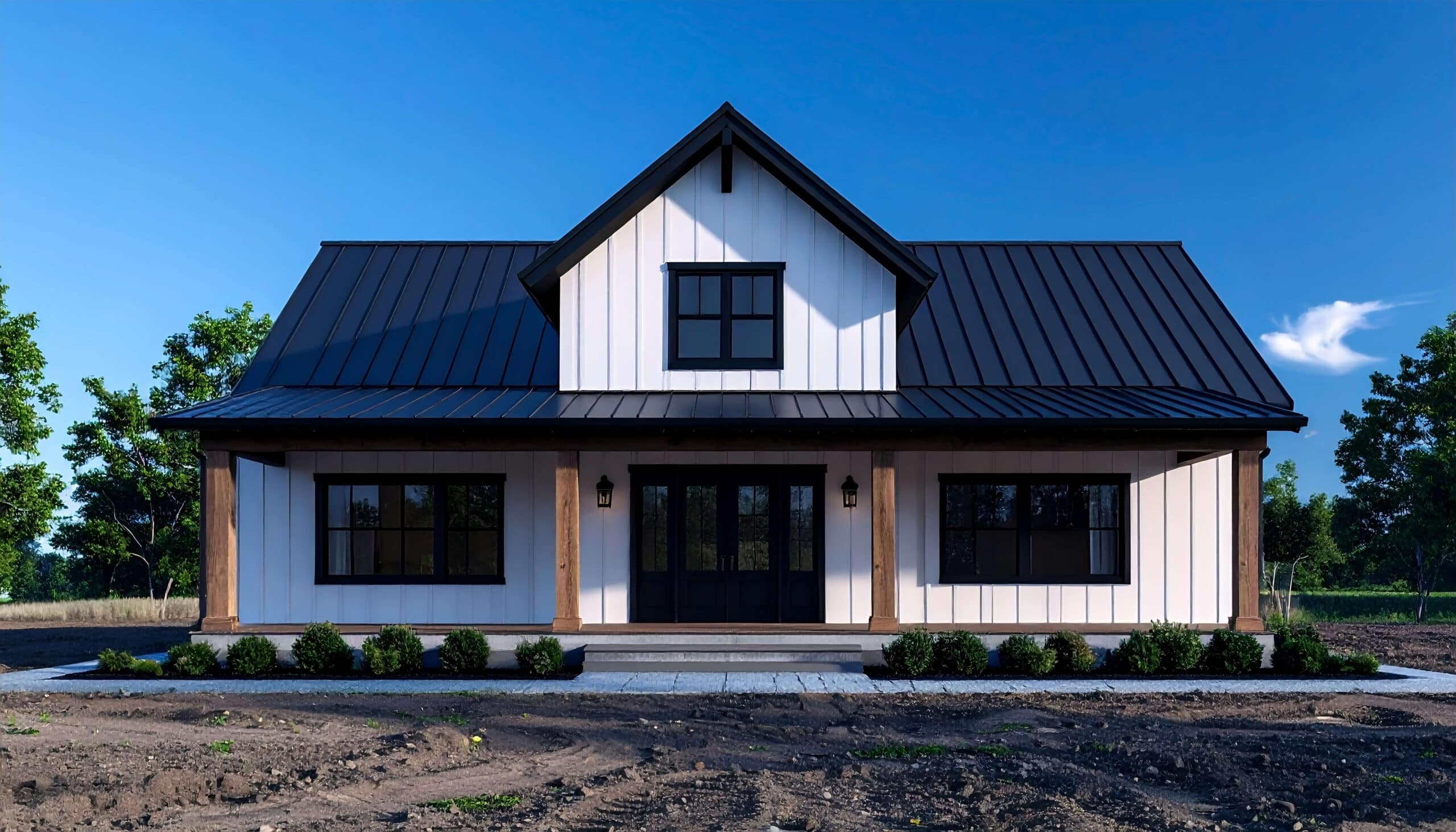
If you are looking to build a home that is different from the typical house, a barndominium may have already caught your attention. These metal building homes are becoming common across rural America, and for good reason. They are often less expensive to build than regular houses, they go up faster, and they offer a lot of flexibility with the design.
So what exactly are we talking about? A barndominium combines the practicality of a barn with all the comforts of a modern residence. It is a steel-framed building that typically features high ceilings, wide-open floor plans, and ample room to customize. People often call them “barndos,” and they are especially popular on farms and recreational land across the country. If you are looking for land or property suited for one, Mossy Oak Properties offers Barndominiums for sale.
The beauty of these structures lies in their simplicity. You get a metal shell that protects you from the elements, but inside, you can create any living space you want. Many people build them with attached workshops, garages, or even small businesses. The clear-span construction means you do not need load-bearing walls inside, so your floor plan can be as open or divided as you like.
How Much Does a Barndominium Cost?
Let’s get straight to the numbers. Building a barndominium typically costs between $65 and $160 per square foot, although this is just an average. The total cost for a 2,000-square-foot barndominium typically ranges from $130,000 to $320,000. Compare that to a traditional stick-built home that often costs $200 to $300 per square foot, and you can see why people get excited about the savings.
Average Barndominium Cost by Size
| Square Footage | Low End | High End |
| 1,200 sq ft | $78,000 | $192,000 |
| 1,500 sq ft | $97,500 | $240,000 |
| 2,000 sq ft | $130,000 | $320,000 |
| 2,500 sq ft | $162,500 | $400,000 |
| 3,000 sq ft | $195,000 | $480,000 |
Keep in mind these numbers include the basic structure and finishing work. Interior finishes and site preparation typically make up 30 to 40 percent of your total cost. So if you are looking at that lower price range, remember you still need to factor in flooring, cabinets, fixtures, and all the other details that turn a shell into a home.
Factors That Influence Barndominium Cost
Size and Layout
Bigger barndominiums cost more overall, but here is something interesting. The larger the house, the lower the cost per square foot generally becomes. A 3,000 square foot barndo might actually give you more bang for your buck per square foot than a 1,500 square foot one. The catch? You still need to pay for all those extra square feet, so your total bill goes up even if the per-foot price drops.
Building Materials
Your choice between steel and wood framing makes a big difference. Steel frames last longer and resist pests, fire, and rot better than wood. They also go up faster, which saves on labor costs. But steel costs more upfront. A steel frame typically adds $20 to $30 per square foot to your project. Wood frames cost less initially but need more maintenance over time.
Foundation and Site Prep
A concrete slab foundation runs between $6 and $14 per square foot. If your land needs grading, clearing, or utility connections, add another $10 to $25 per square foot to your budget. Rural properties might need more extensive site work, especially if you are bringing in utilities from far away. Developing a rural lot can cost up to $75,000 just for utility services, land clearing, and road access.
Interior Finishes
This is where costs can really vary. Basic finishes might add $40 to $75 per square foot, while high-end materials can push that to $150 or more. Drywall installation costs $1.50 to $3.50 per square foot, spray foam insulation runs $1.00 to $4.50 per square foot, and flooring adds $4 to $15 or more per square foot depending on what you choose.
Labor and Regional Costs
Labor rates change dramatically depending on where you build. Rural areas often have lower labor costs than cities, but you might have trouble finding specialized contractors. A general contractor typically charges $50 to $150 per hour, and they usually add 10 to 20 percent to your total project cost for their management services.
Customizations
Want a wraparound porch? That is extra. How about a loft, custom shop space, or luxury kitchen? Each addition bumps up your price. Adding a 1,000-square-foot shop space can increase costs by $15,000 to $40,000, depending on electrical needs and equipment requirements.
Cost Comparison: Barndominium vs. Traditional Home
| Feature | Barndominium | Traditional Home |
| Cost per sq ft | $65-$160 | $200-$300 |
| Build time | 3-6 months | 6-12 months |
| Foundation type | Slab (standard) | Slab or basement |
| Framing material | Steel or wood | Wood (typically) |
| Maintenance | Lower | Higher |
| Energy efficiency | Good with proper insulation | Good |
| Customization | Very flexible | Flexible |
| Resale value | Growing market | Established market |
The savings come from several places. Steel frames go up faster than stick framing, which cuts labor costs. The simpler roof designs common on barndominiums cost less than complex traditional rooflines. Plus, metal siding needs less maintenance than wood or vinyl over the years.
Barndominium Costs in Different States
Texas
In Texas, barndominium costs average $120 to $180 per square foot, although there is variation across the state. Rural areas often have lower land prep costs, while urban or suburban lots may have higher permit and utility expenses. Texas has become the epicenter of barndominium construction, thanks to available land, experienced builders, and friendly zoning laws. The Lone Star State’s large steel supply and skilled labor pool help keep costs reasonable. East and Central Texas tend to have lower land prep costs than the Hill Country.
Georgia
Building a barndominium in Georgia costs between $100 and $150 per square foot on average. The state’s humidity requires special attention to moisture control and ventilation, which can add to costs. Georgia’s 60 to 80 percent humidity means you need proper moisture barriers between metal and living spaces. Georgian barndominiums often feature wood siding accents, pitched roofs, and large outdoor living areas. Properties near Atlanta or coastal regions typically cost more than rural builds. Closed-cell spray foam insulation works best in Georgia’s climate, though it costs more than fiberglass.
Ohio
Ohio barndominium costs typically range from $100 to $150 per square foot for basic structures, with some variation based on location and finishes. The state benefits from skilled labor, particularly in areas with large Amish populations known for their craftsmanship. Ohio’s flexible building regulations make it easier to build barndominiums compared to some other states. Labor costs generally run $30 to $50 per square foot, which tends to be lower than national averages.
Illinois
In Illinois, barndominium costs range from $100 to $200 per square foot, depending on customization and materials. The state offers diverse builders, from basic shell construction to turnkey homes. Labor costs vary significantly between rural areas like Springfield or Peoria and urban centers like Chicago. Illinois buyers often focus on energy efficiency and low-maintenance exteriors to handle the state’s variable climate. Many Illinois barndominiums feature heated shops, custom interiors, and mixed metal-wood designs that appeal to farming families and rural landowners.
Where Steel Meets Soil
Building a barndominium represents more than just saving money on construction costs. These structures connect to a deeper tradition of practical, purposeful building that makes sense for people who work the land or simply want more space to live their way.
Mossy Oak Properties understands that land is more than just dirt and grass. It is where memories take root and dreams find solid ground. A barndominium lets you make the most of your property, combining the efficiency of modern construction with the timeless appeal of rural living. The lower cost per square foot means you can invest more in the land itself or in making your new home exactly what you want it to be.
The choice to build a barndominium often comes down to value and flexibility. You get more space for less money, faster construction times, and the freedom to design your home around your life rather than the other way around. For those who want to build something lasting without overspending, a barndominium offers a practical path forward that honors both your budget and your vision for country living.