• Sell With Us
  • Buy With Us
  • Join Us
Mossy Oak Properties
  • Find Property
    • All Land
    • Hunting Land
    • Timberland
    • Ranches
    • Farms
    • Residential
    • Land Auctions
  • Offices
  • Agents
  • About Us
    • About MOP
    • Our History
    • Our Team
    • Why MOP
    • Who is MOP
    • Day Of Conservation
    • Fox Hole Shootout
  • Land Guide
  • Contact Us
Cade Baxter

Mossy Oak Properties - Texas Land Advisors

Rockwall, TX 75087

Licensed in OK, TX, TN

(214) 236-4205

Email Cade

View Cade's Listings

View Site

Cade Baxter Instagram Cade Baxter Linkedin Cade Baxter Facebook

Cade Baxter

Cade Baxter is a sixth-generation Texan and a land broker. Those two things are not separate.


Most people look at land as a single thing. It’s not. Land is made up of layers, and each one contributes to what a tract is actually worth. The ecoregion. The soil. The water. The vegetation. The wildlife. The market. Cade grew up on and around land and has been in this business since 2012. That background gave him a specific skill most brokers don’t have. He can walk a property and see what it’s actually worth before a number ever gets attached to it.

That’s the difference between a transaction and a good decision.


Born in Wichita Falls and raised in Rockwall, Cade holds a finance degree from Angelo State University and has specialized in farms, ranches, hunting properties, recreational land, and investment tracts across Texas, Tennessee, and Oklahoma since 2012. He holds a broker license in Texas and salesman licenses in Oklahoma and Tennessee.

Texas has more distinct ecoregions than most people realize. The Hill Country doesn’t sell like the Panhandle. East Texas timber country doesn’t move like South Texas brush. Cade has worked across those regions long enough to understand what drives value in each one, soil health, water access, wildlife pressure, timber, carrying capacity, and how each of those factors shifts depending on what a buyer actually wants to do with the land.

He is committed to conservation and responsible land stewardship, helping landowners find long-term solutions that balance investment with preservation of natural resources.

Cade played collegiate baseball at Arkansas State University and Angelo State University. That competitive background shapes how he works for clients at the negotiating table.

Outside of work he is a husband and father to two daughters. He serves at Prestonwood Baptist Church in Prosper, Texas, and is a member of Dallas Safari Club and the Texas and Southwestern Cattle Raisers Association. He supports the Wildlife Habitat Federation.

Cade is a partner at Mossy Oak Properties - Texas Land Advisors, and publishes land education and market insight under the personal brand The Land Advisor across TikTok, Instagram, YouTube, and LinkedIn.

Mossy Oak Properties Certified Land Specialist
View My Listings

Land for Sale by Cade Baxter

Valley View Prairie
Valley View Prairie
Valley View Prairie
Valley View Prairie
Valley View Prairie
Valley View Prairie
Valley View Prairie
Valley View Prairie
Valley View Prairie
Valley View Prairie
Click to View More Photos
Valley View Prairie
Featured
1 / 44
Valley View Prairie
Cooke County, TX
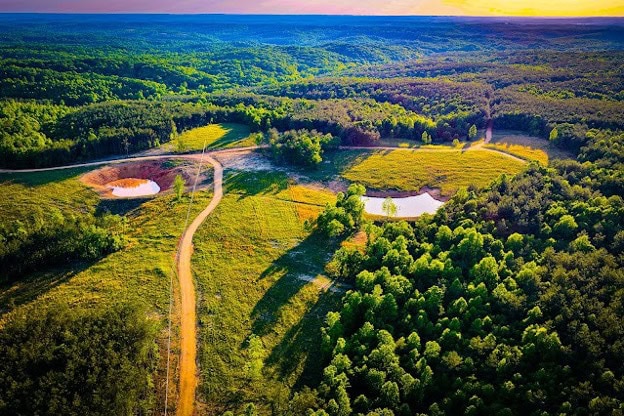
Valley View Prairie | 50± Acres | Cooke County, TX Clean, open, and highly usable, this 50± acre tract sits just 2 miles off I-35 in a strong growth corridor north of Denton. With flat terrain, no floodplain, and nearby utilities, it offers a clear p...
50± Acres
|
$2,000,000
View Property
Bowie County, TX - 468 ± Acres
Click to View More Photos
Bowie County, TX - 468 ± Acres
Price Reduced
1 / 82
Bowie County, TX - 468 ± Acres
Bowie County, TX
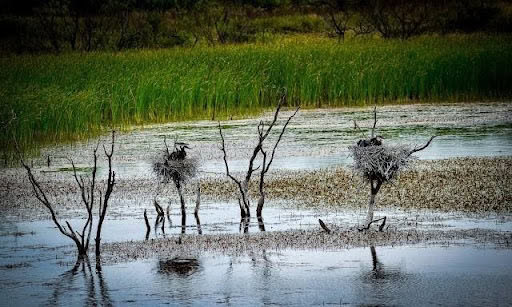
Flyway Lakes Ranch | 468 ± Acres | Bowie County, TX Days Creek Frontage, Private Lakes & Natural Waterfowl Sloughs | Stateline Rd, Near Texarkana, TX   Flyway Lakes Ranch is a rare 468 ± acre East Texas holding defined by water, wildlife, an...
468± Acres
|
$1,375,000
View Property
Angelina Co.- Crown Pines Reserve
Click to View More Photos
Angelina Co.- Crown Pines Reserve
New Listing
1 / 68
Angelina Co.- Crown Pines Reserve
Angelina County, TX
Crown Pines Reserve | 63± Acres | Angelina County, TX Large acreage beside Crown Colony is becoming harder and harder to find. Finding a tract with paved frontage, utilities, no floodplain, usable land, and long-term upside this close to Lufkin is ev...
63± Acres
|
$1,323,000
View Property
Polk County- 148+/- Acres
Click to View More Photos
Polk County- 148+/- Acres
1 / 63
Polk County- 148+/- Acres
Polk County, TX
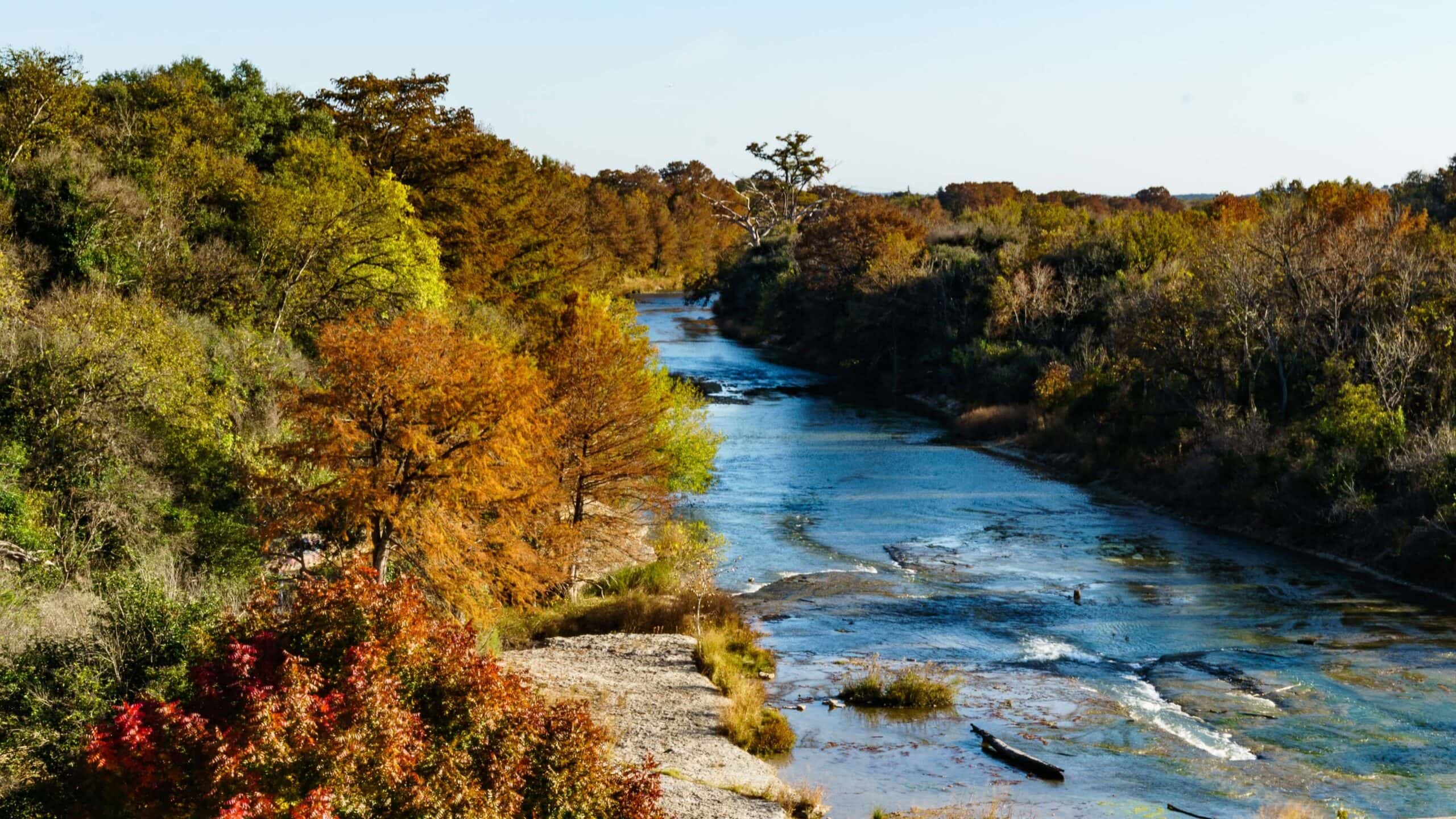
Clearbranch Refuge | 148± Acres | Polk County, TX Borders Big Thicket National Preserve & Double Branch Creek | Segno Fire Lane, Polk County, TX Barrel Creek Preserve is a 148± acre sanctuary tucked along the boundary of the Big Thicket National ...
148± Acres
|
$836,200
View Property
Polk County- 140+/- Acres
Click to View More Photos
Polk County- 140+/- Acres
1 / 44
Polk County- 140+/- Acres
Polk County, TX
Blossom Ridge Ranch | 140± Acres | Polk County, TX Near Segno & Double Branch Creek | Segno Fire Lane, Polk County, TX Tucked into the heart of Polk County, Blossom Ridge Ranch is a 138.21± acre tract where rolling terrain meets the rich biodiver...
140± Acres
|
$777,000
View Property
The Sanctuary- 62+/- Acres Adjoining WMA
Click to View More Photos
The Sanctuary- 62+/- Acres Adjoining WMA
Featured
1 / 95
The Sanctuary- 62+/- Acres Adjoining WMA
Lamar County, TX
  The Sanctuary bordering Pat Mayes Wildlife Refuge The Sanctuary is 62.58+/- acres of rolling terrain that borders the 8,295 acres that makes up the Pat Mayes Wildlife Refuge.  Imagine you, your family and friends, hunting for tr...
62.58± Acres
|
$597,000
View Property
1
2

Lifestyle

Cade Baxter Lifestyle

Contact Cade Baxter

  • This field is for validation purposes and should be left unchanged.

Cade Baxter's Recent Articles

Texas Rural Land
What to Know Before Buying Rural Land in Texas
The first question I ask every buyer who comes to me isn't about acreage or price per acre. It's simpler than that. What do you want this land to do for you? That question changes everything. It determines which region deserves your attention, which features matter most, which due diligence items are non-negotiable, and whether a given tract is actually right for you, or just looks good on paper. Texas offers over 268,000 square miles of possibility. Timber country in the East. Live oak and limestone in the Hill Country. River breaks rolling through the South. Rolling ranch land stretching toward the Panhandle. Each region has its own character, its own market, and its own set of considerations. Buying rural land in Texas is not a transaction you can reduce to a checklist. But there are fundamentals every buyer needs to understand before they ever make an offer. This is the post I wish every buyer had read before picking up the phone. 1. Start With Purpose, Not Price Land without purpose is just acreage. And acreage without direction leads to expensive regret. Before you do anything else, get honest about why you're buying. Is this a hunting retreat? A working cattle operation? A generational legacy for your family? A long-term investment you plan to hold and eventually sell? A homestead you'll build and live on full-time? Each answer points to a different property profile. A recreational buyer wants cover, water, and wildlife. An agricultural operator wants soil quality, fencing, and water infrastructure. An investor wants liquidity, appreciation trends, and exit flexibility. A homesteader wants a buildable site, utilities, and access. You can want more than one of these things. Most buyers do. But you need to rank them. When you find a property that checks eight of ten boxes, you need to know which two you're willing to leave on the table. Purpose-first thinking protects you from buying the wrong land in the right county, or worse, the right land in the wrong county. 2. Understand Texas Water: All of It Water is the most important and most misunderstood asset in rural Texas real estate. And when I say water, I mean all of it: surface water, groundwater, and water rights. Surface water includes ponds, tanks, lakes, rivers, creeks, and seasonal drainages on the property. In Texas, surface water is generally governed by the "prior appropriation" doctrine. In practical terms, that means water flowing in a creek or river may not belong to you just because it crosses your land. Know what you're getting. Groundwater in Texas is governed differently. Under the "rule of capture," landowners generally have the right to pump groundwater beneath their property. But groundwater conservation districts are active across the state and increasingly regulate usage, especially in regions under stress. Know which district governs your tract and what limitations or permits apply. Ponds and stock tanks are often what buyers see and fall in love with. What they don't always ask: Is the tank fed by runoff or a spring? When did it last hold water through a dry summer? What's the water table look like for a water well, and what's the typical depth and output? Reliable water supports livestock, wildlife, irrigation, and long-term value. Unreliable water can turn a dream property into an expensive management problem. Evaluate water early. Evaluate it hard. 3. Access Matters More Than You Think If you can't get to it legally and reliably, it's not worth much. Legal access in Texas rural real estate is not always as obvious as a paved county road at the front gate. Many rural tracts are served by easements that cross neighboring properties, and those easements vary significantly in scope, maintenance responsibility, and enforceability. Before you close on any property, confirm: Is access via a public road, a recorded easement, or an informal understanding between neighbors? What does the easement specifically allow: foot traffic only? Agricultural equipment? Vehicles? Is the easement recorded in the county deed records? Who is responsible for maintenance? Are there locked gates, shared road agreements, or other practical complications? An informal handshake agreement with the current neighbor means nothing when that neighbor sells. Buried in the deed records of many Texas counties are properties with access disputes that have outlasted the original parties to the handshake. Verify access before you fall in love with the land behind the gate. 4. Know the Difference Between Surface and Mineral Rights Texas land is often sold without the mineral estate. That means the oil, gas, and other minerals beneath your property may belong to someone else, sometimes many someone elses, across a fractured ownership history that spans generations. This matters for two reasons. First, a third party who owns the minerals may have the legal right to access your surface to develop them. Texas law generally protects surface owners through the "accommodation doctrine," but the burden is real, and so is the disruption. Pipeline easements, well pads, caliche roads, and production equipment are not abstractions. They show up on the ground. Second, mineral rights carry long-term value. If you have an opportunity to acquire full or partial mineral ownership, understand what that means for the tract's future income potential and overall asset value. Ask your broker what minerals convey. Get a title company to run a mineral search. And understand what a retained mineral interest or an active lease means before you sign a contract. 5. Agricultural Exemptions Are Real, and Fragile Property taxes in Texas are among the highest in the nation on a rate basis. What keeps rural land ownership affordable is the agricultural exemption, which values land based on its productive agricultural value rather than its market value. For many rural tracts, this difference is dramatic. Land that would carry a six-figure annual tax bill at market value may be taxed at a fraction of that under an ag exemption. But the exemption isn't automatic. It requires active agricultural use: cattle grazing, hay production, wildlife management, timber, beekeeping, or other qualifying activities. And it must be applied for and maintained. If a tract loses its ag exemption, rollback taxes can apply for up to five years of back taxes, plus interest. Before you buy, confirm: Does the property currently carry an agricultural exemption? Is the use that qualifies it something you can realistically maintain? If it doesn't have an exemption, how long does it take to qualify, and what does that tax exposure look like in the interim? An ag exemption is one of the most valuable assets attached to a rural Texas property. Protect it accordingly. 6. Floodplain Isn't a Four-Letter Word One of the most common mistakes I see first-time rural buyers make is dismissing a property the moment they hear "floodplain." I understand the instinct, but it's worth pausing before you move on. Floodplain and wetland areas are often the most ecologically productive acres on a property. Creek bottoms hold the best soils. Hardwood corridors concentrate wildlife movement. Seasonal wetlands support waterfowl and ground-nesting birds. Riparian corridors create the edge habitat that whitetail rely on for bedding and travel. For recreational buyers, floodplain is frequently the backbone of what makes a property hunt well. For agricultural operations, bottomland soils often outperform upland ground in forage production and moisture retention through dry stretches. That said, floodplain does introduce regulatory considerations: building setbacks, permitting requirements, and potential lender restrictions. These are real. They deserve evaluation. But they are parameters to be understood and planned around, not automatic disqualifiers. Ask what percentage of the property lies in a mapped floodplain. Ask how the floodplain functions on the ground. Then evaluate it as a feature, not a liability. 7. Match the Region to Your Goals Texas is not one market. It is dozens of distinct micro-markets shaped by different ecoregions, buyer pools, and land uses. Matching your goals to the right region is as important as evaluating any individual property. The Cross Timbers near DFW balances hunting, cattle, and proximity to the metroplex. The Blackland Prairie offers fertile soils, strong water, and development-corridor positioning. The Piney Woods of Deep East Texas are timber and recreation country, with high rainfall and strong isolation. The Hill Country commands premium prices for a reason: water, wildlife, and views that have no substitute. But it's a different ownership experience than the South Texas brush country, which delivers perhaps the most consistent trophy whitetail hunting in North America. Knowing which region fits your purpose and your budget saves you from chasing beautiful land in the wrong context. A Hill Country ranch and a South Texas sendero are both world-class in their own right. They serve completely different buyers. 8. Think About How It Ends Before It Begins The best land buyers I know have one thing in common: they think about the exit before they ever sign a contract. That doesn't mean they're not committed. It means they're smart. It means they understand that land is a long-term asset, and that the decisions you make at acquisition, about access, infrastructure, subdivision potential, and deed restrictions, shape your options for decades. Properties with flexible configurations, clean legal access, reliable water, and multiple build sites will command stronger demand when it's time to transition. Properties that fit only one narrow buyer profile carry real resale risk. Ask yourself: If I needed to sell this in five years, who would buy it, and what would it take to be positioned well? If that question is hard to answer, pay attention to why. Buying with the end in mind isn't pessimism. It's stewardship. 9. Find an Advisor Who Knows the Land, Not Just the Listing Rural land transactions are different from residential real estate in almost every meaningful way. Mineral rights, water rights, agricultural exemptions, timber management, conservation programs, wildlife management plans, access easements, governmental regulations, and regional market dynamics are all live issues that a residential agent has no training to navigate. Work with someone who understands the land itself: its ecology, its productivity, its management history, and its place in the regional market. Someone who can evaluate the soil alongside the survey, the water alongside the wildlife, the income potential alongside the asking price. The right advisor doesn't just find you a property. They help you figure out which one is actually right for you, and which ones aren't. Buying rural land in Texas is one of the most significant decisions a person can make. Get it right, and you've added something lasting to your life: a place that produces, provides, and endures. Get it wrong, and you've bought someone else's problem at full price. Take your time. Ask hard questions. And start with purpose. Call to Action If you're thinking about buying, selling, or stewarding Texas land with an eye toward both present value and long-term legacy, we would welcome the opportunity to visit with you. At Mossy Oak Properties – Texas Land Advisors, we work with landowners and buyers to evaluate market value, identify management and income opportunities, and position land in a way that honors both conservation and return. We help our clients make clear, informed decisions, long before and long after the transaction. Call or text: Cade Baxter, Broker/Partner – 214.236.4205 Email: cbaxter@mossyoakproperties.com Whether you're curious about what your land is worth, exploring a potential sale or acquisition, or simply seeking guidance, we're here to help you protect what matters and move forward with confidence. Not just a land brokerage, but trusted advisors. Follow us on Instagram @mop_txlandadvisors, on Facebook Mossy Oak , Properties Texas Land Advisors on TikTok @mop_txlandadvisors, on YouTube @TexasLandAdvisors or X @TXLandAdvisors To join our newsletter for property updates, reach out to Cade Baxter at cbaxter@mossyoakproperties.com. For our full catalog of listings: https://www.mossyoakproperties.com/office/mossy-oak-properties-texas-land-advisors/
Continue Reading
Floodplain Land Explained for Buyers and Landowners in Texas
Pictured: Riparian corridor along the sandy-bottomed Double Branch Creek on a listing in Polk County, Texas. This floodplain area functions as a primary wildlife travel corridor and offers Floodplain is one of the most misunderstood terms in rural real estate. Too often, it gets treated as a liability before it is understood and discounted before it is evaluated. In reality, many of the most productive agricultural operations, wildlife-rich hunting properties, and resilient long-term land investments across Texas are anchored by floodplain and wetlands. Water leaves a signature on the land. Fertile bottom soils, established forage, hardwood corridors, creeks, sloughs, and seasonal wetlands are not accidental features. They are the result of a landscape shaped by water over time. When buyers move beyond a narrow development lens and evaluate floodplain through agriculture, stewardship, recreation, and investment, these acres often prove to be foundational rather than problematic. The real question is not about the presence of floodplain. It is about how it functions within your ownership goals. FEMA Flood Zones on Rural Land Before you start evaluating any property with floodplain acreage, it helps to understand how FEMA classifies flood risk. These designations show up on Flood Insurance Rate Maps (FIRMs) and they affect what you pay for insurance, where you can build, and how financing works. FEMA Zone Risk Level What It Means Flood Insurance Zone A High (1% annual chance) 100-year floodplain. No base flood elevation published. Required with federal mortgage Zone AE High (1% annual chance) 100-year floodplain. Base flood elevation established. Required with federal mortgage Zone X (shaded) Moderate (0.2% annual chance) Between the 100-year and 500-year floodplain. Not required Zone X (unshaded) Low Outside the 500-year floodplain. Not required   The national average NFIP flood insurance premium runs around $786 to $899 per year, though individual rates vary widely under FEMA's Risk Rating 2.0 model. You can look up any property at msc.fema.gov. Keep in mind that many Texas flood maps are outdated due to funding gaps in the five-year review cycle. 1. How Floodplain Agriculture Outperforms Upland Ground Floodplain soils are frequently among the most fertile on a property. Periodic flooding deposits nitrogen, phosphorus, and organic matter that build the soil profile over time. European researchers have measured up to 250 tonnes of sediment per hectare per year deposited on active floodplains. This same process made the Mississippi Delta one of the most productive agricultural regions in the country. For row crops, hay production, and improved pasture, these acres can outperform upland ground when managed properly. When you see farms for sale with bottomland acreage in Texas, that floodplain ground may be the reason the farm produces the way it does. 2. Livestock Carrying Capacity on Bottomland Pastures Floodplain pastures tend to stay greener longer, recover faster after grazing, and provide more consistent forage through variable weather. Reliable moisture and healthier soils translate into stronger stocking rates and reduced supplemental feed costs. Natural creeks and sloughs also improve livestock water access when paired with thoughtful fencing and rotational systems. 3. Hunting and Wildlife Habitat on Floodplain Properties Creek bottoms, hardwood corridors, and seasonal wetlands concentrate deer movement, support waterfowl, and create edge habitat that upland ground alone cannot replicate. Bottomland hardwood species like water oak, cherrybark oak, overcup oak, and pecan produce the acorns and browse that feed game year-round. There is a reason hunting leases on bottomland hardwood ground consistently command higher prices than pine timber leases. Many of the most consistent hunting properties, and much of the recreational land for sale across Texas, rely on floodplain for bedding cover, travel corridors, and dependable water sources. 4. Recreational Uses of Floodplain Land The uses of floodplain go well beyond row crops and deer stands. Fishing, kayaking, hiking, wildlife photography, and spending time along a shaded creek bottom all add to ownership in ways that upland tracts cannot. Land for sale that supports multiple uses tends to attract a wider buyer pool and hold value more consistently over time. 5. Floodplain Building Regulations in Texas Floodplain and wetlands introduce rules, not roadblocks. In Texas, structures in the 100-year floodplain (Zones A and AE) must be elevated above the base flood elevation, and a Floodplain Development Permit is typically required. The floodway, which carries the deepest and fastest water, is more restricted and usually prohibits new construction unless engineering proves no adverse impact upstream. None of this means you cannot build on a property that has floodplain. It means you need to know where the floodplain sits and where the buildable ground is before you close. 6. Conservation Easements and Wetland Reserve Programs on Floodplain Land The Wetland Reserve Easement (WRE), administered through the NRCS Agricultural Conservation Easement Program (ACEP), is often a fit for floodplain-heavy tracts. The original Wetland Reserve Program (WRP) was folded into ACEP under the 2014 Farm Bill. Permanent easements receive up to 100% of the easement value and 75% to 100% of restoration costs from NRCS. 30-year easements receive 50% to 75% of the easement value and 50% to 75% of restoration costs. Landowners retain ownership and the right to undeveloped recreation like hunting and fishing; however, agricultural uses like grazing and haying are strictly prohibited unless specifically authorized by the NRCS through a Compatible Use Authorization (CUA). When the program fits an owner's long-term vision, it can reduce tax liability, generate direct income, and formalize habitat protection without taking the land completely out of production. 7. How Floodplain Influences Investment Value For development-driven investors, floodplain may reduce density. For land investors focused on durability and long-term demand, floodplain can protect value by limiting overdevelopment and preserving the natural assets that drive buyer interest. Texas rural land averaged $5,158 per acre in Q3 2025, up 5.87% year over year with an 11.24% five-year compound annual growth rate, according to the Texas Real Estate Research Center at Texas A&M. Water access and recreational value remain among the strongest pricing drivers, and floodplain land delivers both. Floodplain agriculture, wildlife habitat, water features, and conservation income stack on top of each other in ways that pure upland tracts cannot match. Pictured: Steve Baxter, TLA Broker/Founder, walking a property with a client to evaluate the highest and best use relative to the client’s objectives. This meadow lies within the floodplain, where considerations around agriculture are. What Floodplain Means for Your Land Purchase Floodplain should never be evaluated in isolation. It must be weighed against how the land will be used, managed, and stewarded over time. For some buyers, floodplain limits certain improvements. For others, it is the very reason the land produces better forage, supports stronger wildlife populations, and holds long-term value. The most successful land purchases happen when buyers understand what floodplain means for their specific goals. Clarity replaces concern when the right conversations happen early. If you are thinking about buying, selling, or stewarding Texas land, I would welcome the opportunity to visit with you. At Mossy Oak Properties – Texas Land Advisors, we work with landowners and buyers to evaluate market value, identify management and income opportunities, and position land in a way that honors both conservation and return. Call or text: Cade Baxter, Broker/Partner – 214-236-4205 Email: cbaxter@mossyoakproperties.com Learn more: Mossy Oak Properties – Texas Land Advisors
Continue Reading
Buying Land in Texas
A Texas Buyer's Guide to Finding Your Place in the Land
When someone calls and says they want to buy land, I ask one thing: "What do you need it to do?" Not what you want it to look like. Not how many acres. What role does this land play in your life? Texas has 268,000 square miles of possibility. Pineywoods in the east. Hill Country limestone. Chihuahuan Desert scrub. Rolling plains that run 100 miles without a stoplight. The state is big enough that two properties with the same acreage can serve completely different purposes depending on where they sit. Location drives everything when buying land in Texas. The soil, the rainfall, the wildlife, the water rights, the carrying capacity for livestock. A 100-acre tract in the Post Oak Savannah will produce different results than 100 acres in the Trans-Pecos, and you need to know that before you make an offer. This guide breaks Texas into its major ecoregions. Use it to figure out where your goals and the ground actually align. 1. Cross Timbers Closest Cities: Fort Worth, Denton, Weatherford This is transition country where prairie meets woodland. Post oaks and blackjack oaks break up native bluestem and switchgrass. You get cover without being buried in it. What to Know Details Wildlife Whitetail, turkey, dove, feral hogs Water Moderate rainfall, seasonal creeks, decent water tables Best For Hunting, cattle, investment, homestead Vegetation Post oaks, blackjack oaks, native grasses   Why Here? Strong option if you want proximity to DFW with enough cover for quality deer hunting and small-scale ranching. Good balance between access and acreage. You can leave Fort Worth on Friday afternoon and be on your property in under an hour. People buying land in Texas near major metros often start their search here. 2. Blackland Prairie Closest Cities: Dallas, Waco, Tyler Once the heartland of Texas farming, the Blackland offers fertile soils and sits directly in the path of metro expansion. What to Know Details Wildlife Dove, waterfowl, whitetail, turkey, feral hogs Water Solid groundwater, good rainfall Best For Hunting, recreation, grazing, row crops, homestead Vegetation Fertile soils, tallgrass prairie, scattered trees   Why Here? If you are looking at land for investment or a future homestead within reach of Dallas or Waco, this region delivers. Development pressure drives long-term value. The clay soils support row crops and hay production while still offering recreational opportunities. 3. Post Oak Savannah Closest Cities: College Station, Huntsville, Waco Solid rainfall and a mix of timber and pasture. Post oaks dominate, mixed with yaupon and native grasses. What to Know Details Wildlife Turkey, whitetail, hogs, small game Water High rainfall, strong surface water potential Best For Recreation, timber, livestock, homestead Vegetation Post oaks, yaupon, mixed grasses   Why Here? Perfect for mixed-use buyers. Hunt in the morning, check cattle in the afternoon, and still make it to College Station for dinner. The region gives you flexibility without requiring massive acreage or massive investment. 4. Central & Deep East Texas (Piney Woods) Closest Cities: Lufkin, Nacogdoches, Tyler Timber country through and through. Loblolly and shortleaf pines dominate the landscape, with hardwood bottoms along creeks and rivers. What to Know Details Wildlife Whitetail, feral hogs, small game, waterfowl Water Abundant rainfall, surface lakes, timber reservoirs Best For Timber investment, recreation, hunting Vegetation Loblolly and shortleaf pine, hardwood bottoms   Why Here? For buyers looking at long-term timber income and deep woods solitude. Pine plantations produce returns on 25 to 35 year rotations. Hunting leases add supplemental revenue. You will feel the humidity and the quiet. 5. Hill Country (West, German, Northern Edwards Plateau) Closest Cities: San Antonio, Fredericksburg, Kerrville, San Angelo The spiritual home for many Texans. Limestone hills, live oaks, wildflowers, and clear creeks. This is what most people picture when they think about buying land in Texas. What to Know Details Wildlife Axis, whitetail, turkey, dove, exotics, some elk Water Springs, creeks, varied groundwater Best For High-end ranching, investment, recreation Vegetation Live oak, cedar, wildflowers, limestone soil   Why Here? Hill Country land holds its value and its charm. Think legacy ranches, wineries, or an axis deer under a live oak. Proximity to San Antonio and Austin drives demand. Expect to pay premium prices, but properties here rarely lose value. 6. Llano Estacado & High Plains Closest Cities: Lubbock, Amarillo Wide skies, fewer trees, more acres per dollar. This is open country where land means production. What to Know Details Wildlife Mule deer, whitetail, quail, sandhill cranes Water Limited rainfall, relies on Ogallala aquifer Best For Agriculture (cotton, sorghum), cattle Vegetation Shortgrass prairie, mesquite   Why Here? For those who see land as a canvas of production. Farms for sale here focus on row crops and large-scale ranching. Lower price per acre means you can acquire more ground. Wildlife opportunities exist but play second fiddle to agriculture. 7. Trans-Pecos Closest Cities: Alpine, Fort Davis, El Paso (distant) You do not own land out here. You steward it. This is frontier Texas, raw and vast. What to Know Details Wildlife Mule deer, elk, aoudad, desert species Water Scarce, surface water minimal, groundwater deep Best For Conservation, legacy ranching, solitude Vegetation Desert grasses, ocotillo, creosote, juniper   Why Here? For buyers seeking remoteness, mountain views, or a conservation-minded legacy. This is sacred ground for people who value space over convenience. Water is the challenge. Solitude is the reward. Buying land in Texas this far west requires a different mindset than other regions. 8. South Texas Plains & Brush Country Closest Cities: San Antonio, Laredo, McAllen The whitetail capital of Texas. Mesquite, prickly pear, and huisache create thick cover that produces trophy bucks. What to Know Details Wildlife Trophy whitetail, nilgai (coastal), feral hogs, quail, javelina Water Deep wells, fair rainfall, some surface water Best For Premier hunting, oil and gas, investment Vegetation Mesquite, prickly pear, huisache   Why Here? If you are a serious sportsman or investor in wildlife, South Texas offers both challenge and reward. Brush country produces legendary deer and strong lease returns. Recreational land for sale here commands premium prices because hunting quality stays consistently high. 9. Upper Gulf Coast & Bayous Closest Cities: Houston, Beaumont Coastal grasses, hardwood swamps, and marshes define this region. Water is everywhere. What to Know Details Wildlife Waterfowl, alligators, fish, whitetail Water High rainfall, marshes, wetlands Best For Waterfowl, rice farming, wetlands conservation Vegetation Coastal grasses, hardwood swamps, marsh   Why Here? For duck hunters and wetlands investors. If you are passionate about waterfowl or coastal conservation, this zone offers rich opportunity and ecological value. Rice farming still operates on larger tracts. Flood mitigation and habitat restoration projects continue to grow. Matching Your Goals With Geography Land buying comes down to calling as much as commerce. Let your goals guide your geography. Ask yourself where your family can thrive, where your values can take root, and what kind of legacy you want to leave behind. At Mossy Oak Properties – Texas Land Advisors, we help you find Texas land for sale that matches what you actually need. Not just acreage. Your favorite place, built around the hunt, the harvest, or the hope of something lasting. If you are ready to start the conversation, let us talk land. Follow us on Instagram @mop_txlandadvisors or on Facebook at Mossy Oak Properties Texas Land Advisors. To join our email list for property updates, reach out to Cade Baxter at cbaxter@mossyoakproperties.com
Continue Reading

Select a state we sell property in

Find the listings in the state you want by picking one below.

  • Alabama Land for Sale
  • Alaska Land for Sale
  • Arkansas Land for Sale
  • California Land for Sale
  • Colorado Land for Sale
  • Florida Land for Sale
  • Georgia Land for Sale
  • Illinois Land for Sale
  • Indiana Land for Sale
  • Iowa Land for Sale
  • Kansas Land for Sale
  • Kentucky Land for Sale
  • Louisiana Land for Sale
  • Michigan Land for Sale
  • Minnesota Land for Sale
  • Mississippi Land for Sale
  • Missouri Land for Sale
  • Montana Land for Sale
  • Nebraska Land for Sale
  • New Mexico Land for Sale
  • New York Land for Sale
  • North Carolina Land for Sale
  • Ohio Land for Sale
  • Oklahoma Land for Sale
  • Oregon Land for Sale
  • Pennsylvania Land for Sale
  • South Carolina Land for Sale
  • South Dakota Land for Sale
  • Tennessee Land for Sale
  • Texas Land for Sale
  • Virginia Land for Sale
  • West Virginia Land for Sale
  • Wisconsin Land for Sale
  • Wyoming Land for Sale

Land by Type

  • Barndominiums for Sale
  • Cabins for Sale
  • Cheap Land for Sale
  • Country Homes for Sale
  • Farm Houses for Sale
  • Farms for Sale
  • Horse Properties for Sale
  • Hunting Land for Sale
  • Ranches for Sale
  • Raw Land for Sale
  • Recreational Land for Sale
  • Residential Property for Sale
  • Riverfront Properties for Sale
  • Rural Land for Sale
  • Timberland for Sale
  • Undeveloped Land for Sale
  • Vacant Land for Sale
  • Waterfront Properties for Sale
  • Wooded Land for Sale

Land by Type

  • Hunting Land for Sale
  • Ranches for Sale
  • Farms for Sale
  • Timberland for Sale
  • Recreational Land for Sale
  • Horse Properties for Sale
  • Waterfront Properties for Sale
  • Undeveloped Land for Sale
  • Residential Property for Sale
  • Country Homes for Sale
  • Upcoming Land Auctions

Land by Region

  • Texas Hill Country Land for Sale
  • Black Belt Hunting Land for Sale
  • Rocky Mountain Land for Sale
  • Great Plains Land for Sale
  • Ozarks Land for Sale
  • Midwest Land for Sale
  • Great Lakes Land for Sale
  • Appalachian Mountains Land for Sale
  • Deep South Land for Sale
  • Pacific Northwest Land for Sale
  • Delta Land for Sale

Mossy Oak Brands

  • Mossy Oak
  • Mossy Oak Gamekeeper
  • Biologic
  • Nativ Nurseries
  • Mossy Oak GameKeeper Kennels
  • Mossy Oak Go
  • GameKeeper Butchery
  • Mossy Oak Fishing
  • The Mossy Oak Store
Land Report Best Brokerages

Mossy Oak Properties, Inc., a franchise company, is an Equal Opportunity Employer and supports the Fair Housing Act. Each Mossy Oak Properties office is independently owned and operated.

  • Terms and Conditions
  • Privacy Policy
  • Accessibility Policy
Copyright © 1999-2026 Mossy Oak Properties®. Land Broker Websites by RealStack
Mossy Oak Properties
MossyOakProperties Facebook MossyOakProperties Twitter MossyOakProperties Instagram MossyOakProperties Linkedin MossyOakProperties YouTube MossyOakProperties RSS MossyOakProperties Subscribe
modal logo

Sign in to save properties, save searches, and set up notification alerts.

Forgot password?

Don't have an account? Join for free!

modal logo

Sign up to save properties, save searches, and setup notification alerts.

New passwords must
  • be 8 or more characters
  • contain 1 or more numbers
  • contain 1 or more capital letters
  • contain 1 or more lower case letters
  • and contain 1 or more special characters

Already have a profile? Log in!