When someone calls and says they want to buy land, I ask one thing: “What do you need it to do?”
Not what you want it to look like. Not how many acres. What role does this land play in your life?
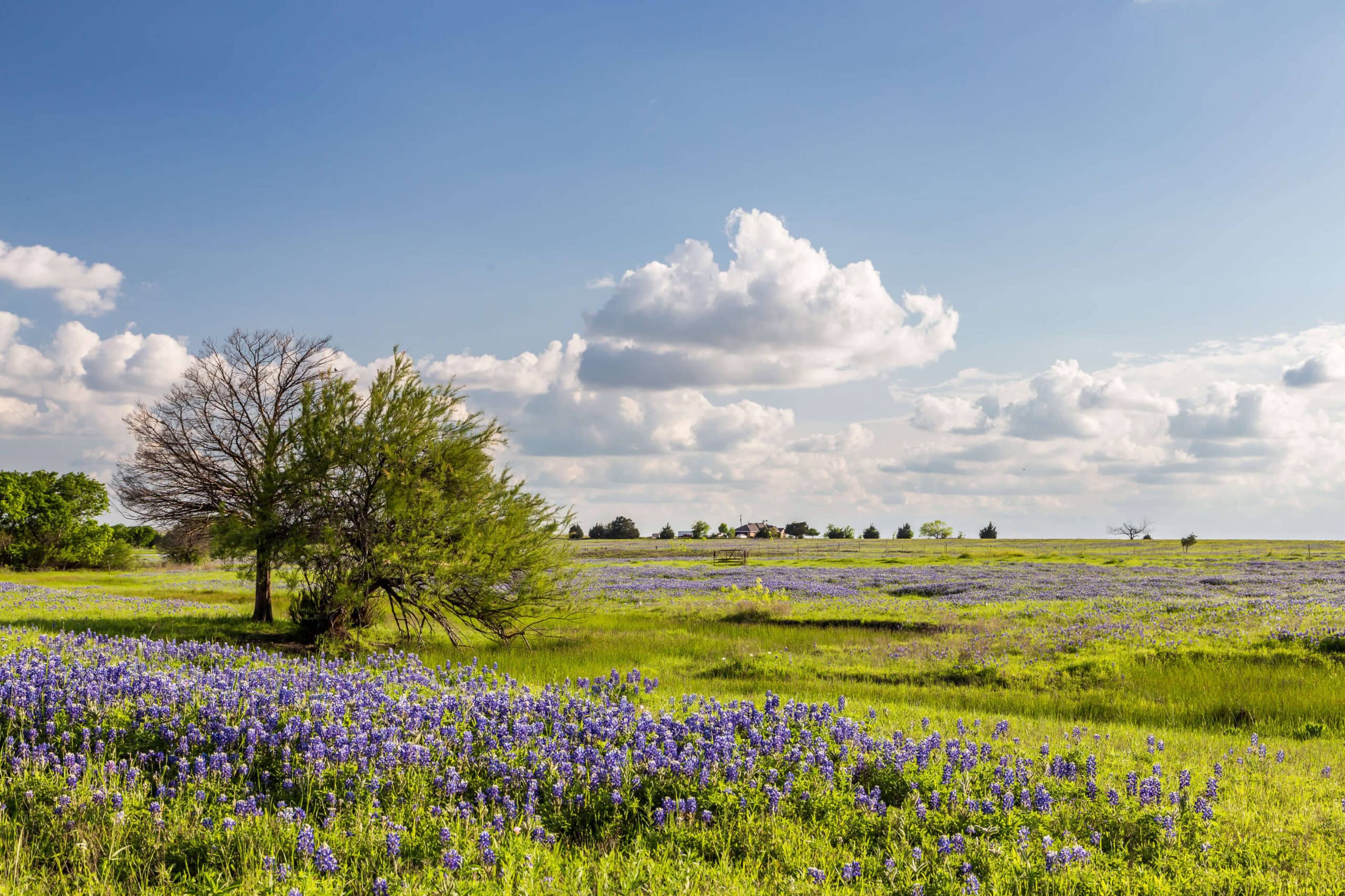
Texas has 268,000 square miles of possibility. Pineywoods in the east. Hill Country limestone. Chihuahuan Desert scrub. Rolling plains that run 100 miles without a stoplight. The state is big enough that two properties with the same acreage can serve completely different purposes depending on where they sit.
Location drives everything when buying land in Texas. The soil, the rainfall, the wildlife, the water rights, the carrying capacity for livestock. A 100-acre tract in the Post Oak Savannah will produce different results than 100 acres in the Trans-Pecos, and you need to know that before you make an offer.
This guide breaks Texas into its major ecoregions. Use it to figure out where your goals and the ground actually align.
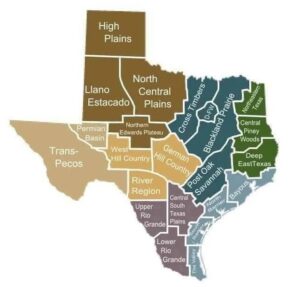
1. Cross Timbers
Closest Cities: Fort Worth, Denton, Weatherford
This is transition country where prairie meets woodland. Post oaks and blackjack oaks break up native bluestem and switchgrass. You get cover without being buried in it.
| What to Know | Details |
| Wildlife | Whitetail, turkey, dove, feral hogs |
| Water | Moderate rainfall, seasonal creeks, decent water tables |
| Best For | Hunting, cattle, investment, homestead |
| Vegetation | Post oaks, blackjack oaks, native grasses |
Why Here?
Strong option if you want proximity to DFW with enough cover for quality deer hunting and small-scale ranching. Good balance between access and acreage. You can leave Fort Worth on Friday afternoon and be on your property in under an hour. People buying land in Texas near major metros often start their search here.
2. Blackland Prairie
Closest Cities: Dallas, Waco, Tyler
Once the heartland of Texas farming, the Blackland offers fertile soils and sits directly in the path of metro expansion.
| What to Know | Details |
| Wildlife | Dove, waterfowl, whitetail, turkey, feral hogs |
| Water | Solid groundwater, good rainfall |
| Best For | Hunting, recreation, grazing, row crops, homestead |
| Vegetation | Fertile soils, tallgrass prairie, scattered trees |
Why Here?
If you are looking at land for investment or a future homestead within reach of Dallas or Waco, this region delivers. Development pressure drives long-term value. The clay soils support row crops and hay production while still offering recreational opportunities.
3. Post Oak Savannah
Closest Cities: College Station, Huntsville, Waco
Solid rainfall and a mix of timber and pasture. Post oaks dominate, mixed with yaupon and native grasses.
| What to Know | Details |
| Wildlife | Turkey, whitetail, hogs, small game |
| Water | High rainfall, strong surface water potential |
| Best For | Recreation, timber, livestock, homestead |
| Vegetation | Post oaks, yaupon, mixed grasses |
Why Here?
Perfect for mixed-use buyers. Hunt in the morning, check cattle in the afternoon, and still make it to College Station for dinner. The region gives you flexibility without requiring massive acreage or massive investment.
4. Central & Deep East Texas (Piney Woods)
Closest Cities: Lufkin, Nacogdoches, Tyler
Timber country through and through. Loblolly and shortleaf pines dominate the landscape, with hardwood bottoms along creeks and rivers.
| What to Know | Details |
| Wildlife | Whitetail, feral hogs, small game, waterfowl |
| Water | Abundant rainfall, surface lakes, timber reservoirs |
| Best For | Timber investment, recreation, hunting |
| Vegetation | Loblolly and shortleaf pine, hardwood bottoms |
Why Here?
For buyers looking at long-term timber income and deep woods solitude. Pine plantations produce returns on 25 to 35 year rotations. Hunting leases add supplemental revenue. You will feel the humidity and the quiet.
5. Hill Country (West, German, Northern Edwards Plateau)
Closest Cities: San Antonio, Fredericksburg, Kerrville, San Angelo
The spiritual home for many Texans. Limestone hills, live oaks, wildflowers, and clear creeks. This is what most people picture when they think about buying land in Texas.
| What to Know | Details |
| Wildlife | Axis, whitetail, turkey, dove, exotics, some elk |
| Water | Springs, creeks, varied groundwater |
| Best For | High-end ranching, investment, recreation |
| Vegetation | Live oak, cedar, wildflowers, limestone soil |
Why Here?
Hill Country land holds its value and its charm. Think legacy ranches, wineries, or an axis deer under a live oak. Proximity to San Antonio and Austin drives demand. Expect to pay premium prices, but properties here rarely lose value.
6. Llano Estacado & High Plains
Closest Cities: Lubbock, Amarillo
Wide skies, fewer trees, more acres per dollar. This is open country where land means production.
| What to Know | Details |
| Wildlife | Mule deer, whitetail, quail, sandhill cranes |
| Water | Limited rainfall, relies on Ogallala aquifer |
| Best For | Agriculture (cotton, sorghum), cattle |
| Vegetation | Shortgrass prairie, mesquite |
Why Here?
For those who see land as a canvas of production. Farms for sale here focus on row crops and large-scale ranching. Lower price per acre means you can acquire more ground. Wildlife opportunities exist but play second fiddle to agriculture.
7. Trans-Pecos
Closest Cities: Alpine, Fort Davis, El Paso (distant)
You do not own land out here. You steward it. This is frontier Texas, raw and vast.
| What to Know | Details |
| Wildlife | Mule deer, elk, aoudad, desert species |
| Water | Scarce, surface water minimal, groundwater deep |
| Best For | Conservation, legacy ranching, solitude |
| Vegetation | Desert grasses, ocotillo, creosote, juniper |
Why Here?
For buyers seeking remoteness, mountain views, or a conservation-minded legacy. This is sacred ground for people who value space over convenience. Water is the challenge. Solitude is the reward. Buying land in Texas this far west requires a different mindset than other regions.
8. South Texas Plains & Brush Country
Closest Cities: San Antonio, Laredo, McAllen
The whitetail capital of Texas. Mesquite, prickly pear, and huisache create thick cover that produces trophy bucks.
| What to Know | Details |
| Wildlife | Trophy whitetail, nilgai (coastal), feral hogs, quail, javelina |
| Water | Deep wells, fair rainfall, some surface water |
| Best For | Premier hunting, oil and gas, investment |
| Vegetation | Mesquite, prickly pear, huisache |
Why Here?
If you are a serious sportsman or investor in wildlife, South Texas offers both challenge and reward. Brush country produces legendary deer and strong lease returns. Recreational land for sale here commands premium prices because hunting quality stays consistently high.
9. Upper Gulf Coast & Bayous
Closest Cities: Houston, Beaumont
Coastal grasses, hardwood swamps, and marshes define this region. Water is everywhere.
| What to Know | Details |
| Wildlife | Waterfowl, alligators, fish, whitetail |
| Water | High rainfall, marshes, wetlands |
| Best For | Waterfowl, rice farming, wetlands conservation |
| Vegetation | Coastal grasses, hardwood swamps, marsh |
Why Here?
For duck hunters and wetlands investors. If you are passionate about waterfowl or coastal conservation, this zone offers rich opportunity and ecological value. Rice farming still operates on larger tracts. Flood mitigation and habitat restoration projects continue to grow.
Matching Your Goals With Geography
Land buying comes down to calling as much as commerce. Let your goals guide your geography. Ask yourself where your family can thrive, where your values can take root, and what kind of legacy you want to leave behind.
At Mossy Oak Properties – Texas Land Advisors, we help you find Texas land for sale that matches what you actually need. Not just acreage. Your favorite place, built around the hunt, the harvest, or the hope of something lasting.
If you are ready to start the conversation, let us talk land.
Follow us on Instagram @mop_txlandadvisors or on Facebook at Mossy Oak Properties Texas Land Advisors.
To join our email list for property updates, reach out to Cade Baxter at cbaxter@mossyoakproperties.com