
Tennessee Hunting Seasons by Species and Region
Tennessee gives hunters some of the best opportunities in the Southeast. You can find everything from big white tails roaming hardwood ridges to ducks riding the Mississippi flyway through the western counties. With nearly a million deer statewide and turkey populations that have rebounded strongly, the state delivers well for hunters who know when and where to go.
The Tennessee Wildlife Resources Agency sets up seasons that change based on what you are hunting, where you hunt, and how you hunt. Different areas have different rules, and seasons run at different times for bow, muzzle loader, and rifle hunting. Folks who own their hunting ground get way more flexibility than those stuck with public land limitations. That is why smart hunters look at Tennessee hunting land for sale when they want reliable access and the freedom to manage their property the way they want.
Big Game Hunting in Tennessee
TWRA treats big game hunting seriously with licensing requirements, tagging rules, and management units that keep everything organized. Before you head out for deer, elk, or bear, you need to know which unit your hunting spot falls under and what the rules are for that area.
Whitetail Deer
Tennessee breaks deer hunting into four main units called A, B, C, and D, plus one called Unit L. Each unit has its own rules about how many deer you can take and when you can hunt them. You can harvest two antlered bucks per season statewide, but the number of does you can take depends on which unit you are hunting.
Deer seasons usually start in late September and run through early January. Bow season opens first, then muzzleloader, then regular gun season. Here is what you need to remember:
- Every deer you kill has to be checked in online or at a check station.
- Tag your deer right away after you shoot it.
- You can use your bow during muzzleloader and gun seasons too.
- Kids often get special youth seasons with different dates.
- Private landowners can plant food plots, build permanent stands, and create bedding areas that keep deer moving through their property.
Elk
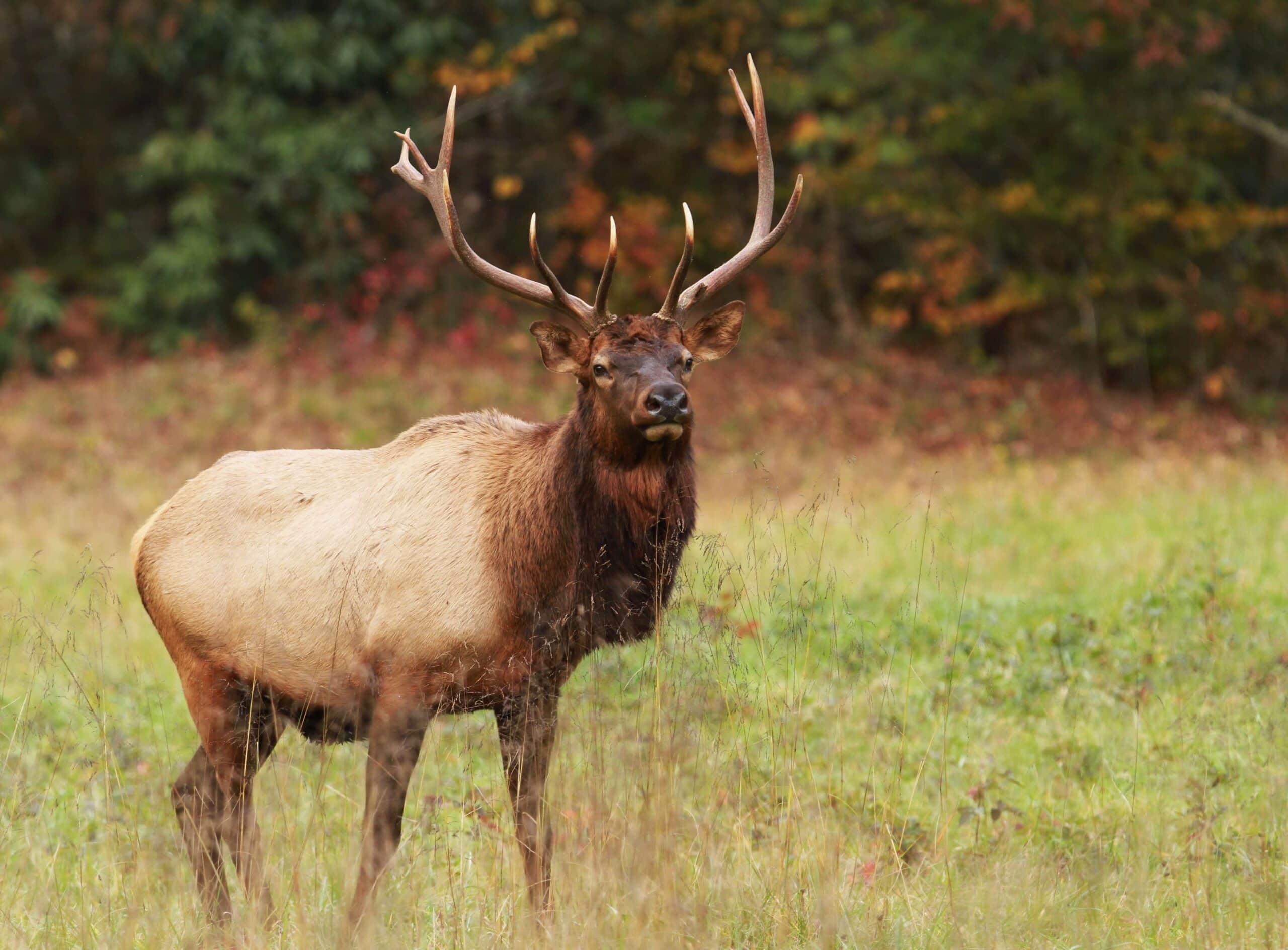
Getting an elk tag in Tennessee takes serious luck. TWRA only gives out 19 permits each year through a lottery system, and you can only hunt in specific zones in East Tennessee. If you want to try for 2026, applications open February 4th and close February 25th.
Most elk hunting happens in Anderson, Campbell, Claiborne, Morgan, and Scott counties. Your permit lets you take one bull elk, and you have to call TWRA immediately after you make your shot to report where it happened. They do not allow any electronic tracking devices, and only people with permits can use elk calls in the hunting zones.
Black Bear
Bear hunting stays mostly in the eastern mountains, where Tennessee has the most bears. Different zones have different rules about using dogs or hunting without them. TWRA added some new zones recently and opened up more opportunities on private land.
Bear seasons typically run from early October into mid-December, but the exact dates change depending on which zone you are in. Private timber land gives bear hunters better odds because there is less competition from other hunters and fewer dog packs running around, like you find in public areas.
Turkey Hunting in Tennessee
Turkey hunting splits into spring and fall seasons, though spring gets way more attention from hunters. The spring season runs from April 12 through May 25 in 2025, while the fall seasons happen during bow season for deer in most counties.
You can take two gobblers during the spring season, but hens stay off limits even if they have beards. The fall season lets you take one turkey of either sex, and that one counts against your yearly limit. Kids get special youth weekends with adults supervising.
Landowners who want better turkey hunting can set up roosting areas, plant native grasses, and create spots with lots of bugs that turkeys love to eat. This kind of habitat work usually pays off better than hoping for good luck on public land.
Migratory Bird Hunting in Tennessee
Waterfowl and dove hunting follow both state and federal rules because these birds cross state lines. TWRA has to work with federal guidelines that consider migration patterns and population numbers.
Ducks, Coots, and Mergansers
Duck seasons usually get split up with early hunting in November and longer seasons from December through January. Teal season starts in September with special limits just for blue-winged and green-winged teal. Youth days and veteran hunts give extra opportunities outside the regular seasons.
Daily bag limits change depending on what species you shoot, and you can keep three times your daily limit after the second day of hunting. Anyone 16 or older has to buy a Federal Duck Stamp along with their regular hunting license.
Geese
Goose hunting covers several different species, including Canada geese, snow geese, blues, Ross geese, white-fronts, and brant. Light goose seasons don’t have bag limits because snow and blue geese have gotten too numerous in some areas.
Doves
Dove hunting gives new hunters an easy way to get started. Opening day brings out crowds at farm fields across the state. Seasons usually run from September through October, with 15 birds per day allowed. Private ground with sunflower or millet fields draws tons of doves. Tennessee farms for sale with good dove habitat stay popular with hunters who want consistent shooting.
Sandhill Crane
Sandhill crane hunting takes a special permit that you have to win in a lottery. Only 2,500 tags get handed out statewide. You also have to pass an online test every year to prove you can tell a crane from other birds. This hunt only happens in certain counties and ranks as one of the toughest permits to draw.
Other Migratory Birds
Species like woodcock, rails, snipe, gallinule, and crows give specialized hunters something to chase. These birds have different seasons and live in different places, so you have to learn their habits to hunt them successfully.
Small Game Hunting in Tennessee
Small game seasons last longer and cover more ground than big game hunting, making them perfect for hunters who want lots of opportunities.
- Squirrel hunting goes year-round on private land, with the main season running late August through February. You can take 6 squirrels per day, and hardwood forests give you the best hunting.
- Rabbit season typically opens in early November and runs through February in brushy spots, fencerows, and old fields. Lots of hunters still use beagles for rabbits.
- Quail numbers have dropped a lot, so they’re around but hard to find. Landowners who want quail have to work on habitat management.
- Grouse only live in the mountains of East Tennessee, and their numbers keep going down.
- Bullfrog hunting happens during summer on TWRA lakes, usually at night, with special rules.
Predator and Furbearer Hunting
Predator hunting helps control animal numbers, especially on private property. Coyotes can be hunted any time of year, day, or night, with the right equipment. This makes coyote hunting useful for folks protecting livestock or trying to help their deer herd.
Bobcat hunting stays legal statewide, but you need special tags if you want to sell the pelts. Fox hunting has different rules for red and gray foxes depending on whether you’re on public or private land. Raccoon and opossum hunting usually happens at night with dogs, following old Southern traditions.
Trapping in Tennessee
Trapping runs under different rules from hunting, but a lot of the same people do both. You can trap beavers, raccoons, coyotes, muskrats, and river otters during specific seasons with approved equipment. Otters and bobcats need special federal tags before you can transport them.
Trapping helps control problem animals on private land and gives landowners a way to deal with nuisance wildlife. Many recreational properties benefit from trapping programs that keep furbearer numbers balanced.
Where You Can Hunt in Tennessee
Public Land Access
Tennessee has over 100 Wildlife Management Areas covering hundreds of thousands of acres. These WMAs follow their own rules that might be different from statewide seasons. Some need quota applications or daily permits. State forests and National Wildlife Refuges add more public access, but you have to check each area’s rules. Public areas often require check-ins and follow the zone rules. Drawing systems control access to popular spots, so you can not count on getting into the best places.
Private Land Opportunities
Private land hunting cuts out the lottery systems and crowding that come with public areas. Landowners can put up permanent stands, plant food plots, and improve habitat without fighting for space. This gives you reliable access and better control over how the land gets managed.
Private property lets you be more flexible with timing within legal seasons and helps families pass down hunting traditions. Mossy Oak Properties helps hunters find land that works for game management, family hunting, or income from hunting leases.
What Hunters Need to Know Before They Go
- Hunter education rules change based on your age, and different permits cover big game, migratory birds, and trapping.
- Quota hunts, check-in requirements, and tagging apply to most species, especially all big game.
- Legal weapons change by season and species, with special ammo rules for waterfowl.
- Chronic Wasting Disease rules affect how you transport deer carcasses in certain counties.
- Game wardens work on all public and private land with serious penalties for rule violations.
- Most serious hunters find that owning Tennessee hunting land for sale gives them the best long-term experience with guaranteed access and management control.
Tennessee hunting seasons offer something for everyone, from folks chasing big bucks to hunters who prefer small game. The state’s mix of terrain and well-managed wildlife keeps drawing hunters from all over who want quality outdoor time in the Volunteer State.